What happens when someone is accused of sexual assault and maintains that the allegation is false? What are their legal rights, and what should they do while a matter is being investigated?
This afternoon on Legal Hour, we continue our important discussion on False Accusations of Sexual Assault in South Africa: Understanding Your Rights, examining the legal, professional and personal consequences that an allegation can have — including its potential impact on family, employment, finances, relationships and reputation.
We’ll unpack what happens when an allegation is reported, the difference between being arrested, charged, held awaiting trial, convicted and having a criminal record, and what rights an accused person has during the criminal justice process.
We’ll also explore harassment, defamation of character, deliberately false reports and accusations, social media conduct, protection from harassment, and possible legal avenues available to someone who has experienced significant consequences after being accused and later found not guilty.
Importantly, being found not guilty does not automatically establish that an accusation was deliberately false. Separate legal requirements may need to be met before action can be taken against a complainant.
In This Episode
What can happen after someone is accused of sexual assault?
The legal, professional and personal consequences of an allegation
What investigators and prosecutors consider when assessing a case
Understanding harassment under South African law
What an accused person should — and should not — do during an investigation
Contacting the complainant and communicating on social media
When allegations shared publicly could potentially raise defamation issues
Potential consequences of deliberately false accusations or reports
The difference between being arrested, charged, detained and convicted
Does spending time in custody mean you have a criminal record?
The rights of an accused person during the criminal process
What happens when someone spends months awaiting trial and is ultimately found not guilty?
The difference between a withdrawn case, non-prosecution, acquittal and conviction
Whether a not-guilty finding automatically results in action against the complainant
Practical first steps for someone who believes they have been falsely accused
Why obtaining independent legal advice is important
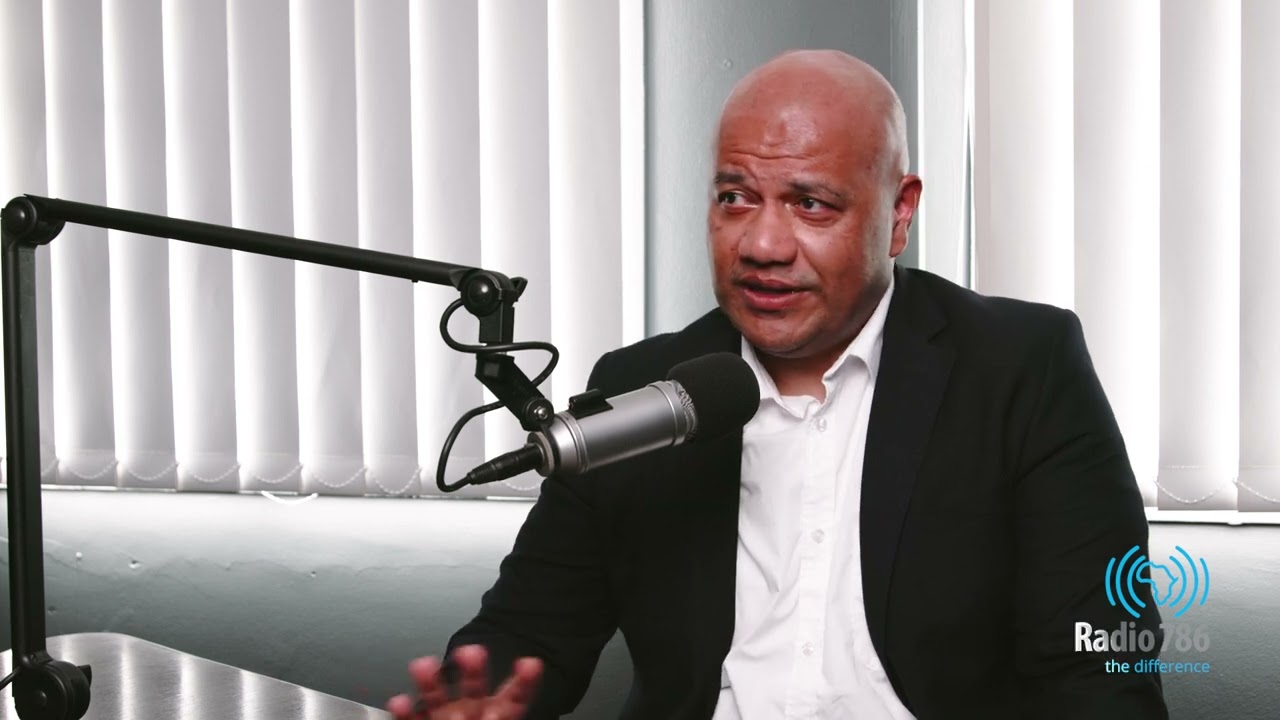
🎙️ Guest:
Adv. Muhammad Abduraof
Advocate of the High Court of South Africa
Family Law Expert
📞 ICE: Adv. Muhammad Abduraof — 083 731 9816
Legal Disclaimer: This programme is intended for general information and educational purposes and does not constitute legal advice. Individual cases depend on their specific facts and circumstances. Anyone involved in a criminal, civil or harassment matter should obtain advice from a suitably qualified legal professional.