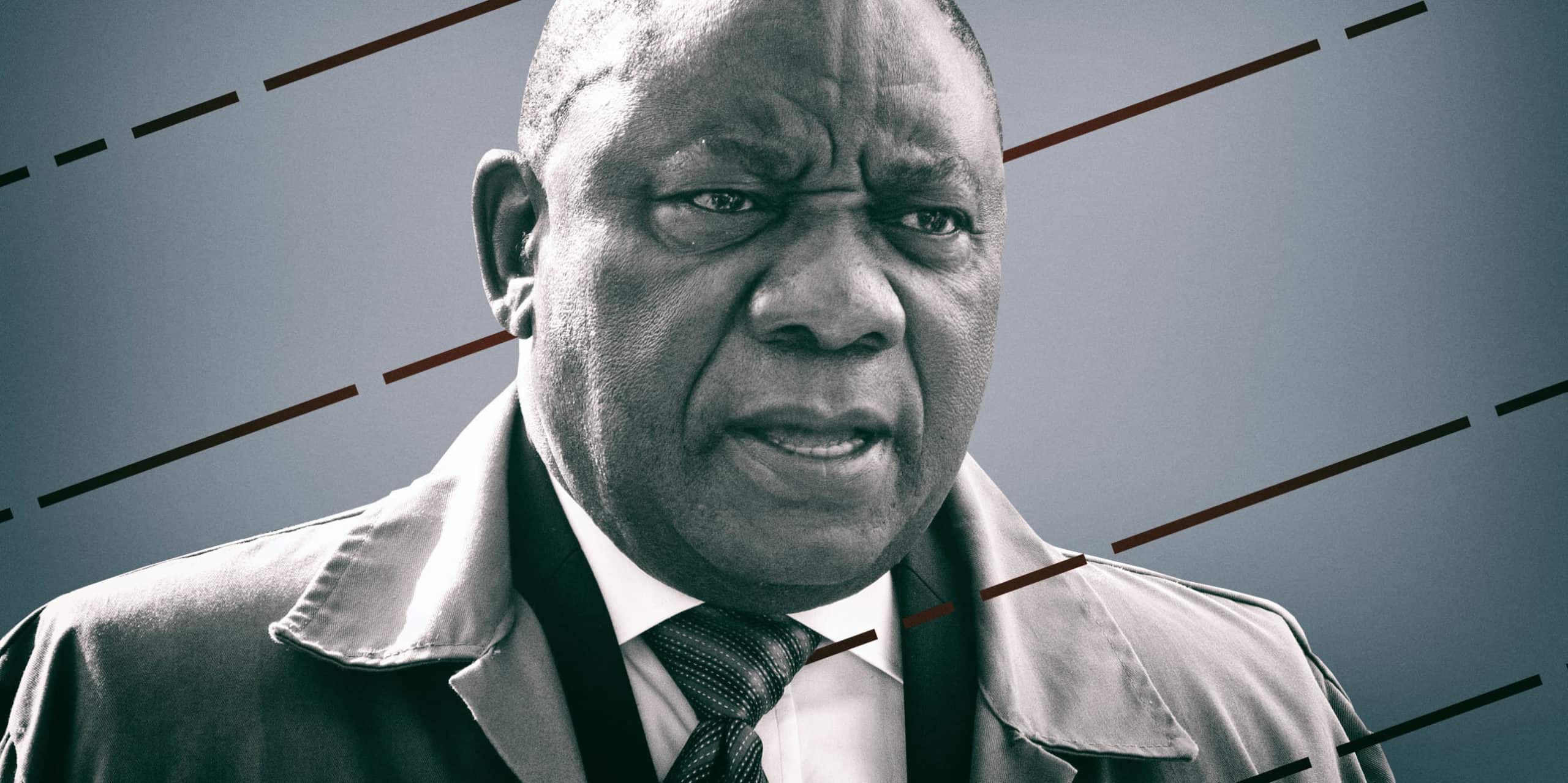
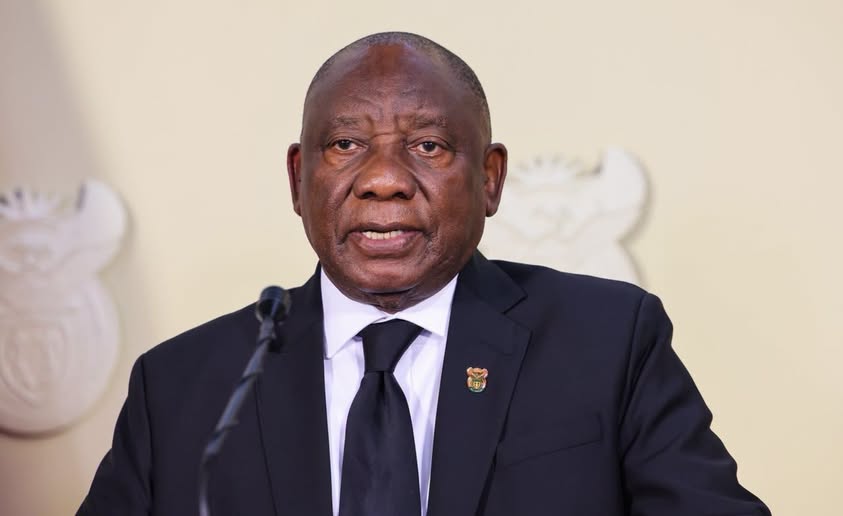
President Cyril Ramaphosa has announced a series of immediate measures to strengthen the fight against gender-based violence and femicide (GBVF), following the discovery of the bodies of 11 women in Ekurhuleni since July.
Addressing the ongoing crisis, Ramaphosa described violence against women as a source of “profound pain and national shame”, acknowledging that the measures taken by the state so far have not been enough to protect women and girls.
“We must confront an uncomfortable truth,” Ramaphosa said. “What we have done has not been enough. We need to do much more.”
The President said the country could not rely solely on policing and arrests to address the crisis, arguing that greater emphasis must be placed on preventing violence before it occurs.
“We cannot police our way out of gender-based violence alone,” he said. “We cannot arrest our way out of this crisis alone. We cannot wait until a woman is murdered before the state intervenes.”
Ramaphosa announced four immediate measures aimed at strengthening investigations, addressing forensic backlogs, improving public safety and tackling alcohol-related violence.
National case-recovery operation
The first measure will see the Minister of Police and the Minister of Justice and Constitutional Development work with the South African Police Service and, with due regard to prosecutorial independence, the National Prosecuting Authority, to undertake a national case-recovery operation.
The operation will focus on unresolved murders, attempted murders, rapes and serious sexual offences involving women and children.
Within 60 days, authorities must conduct an audit identifying the number and age of unresolved cases, cases awaiting forensic evidence, cases where suspects have been identified but not arrested, and cases where investigative or prosecutorial action has been unreasonably delayed.
Within 90 days, individual recovery plans must be developed for priority and stalled cases. Each plan will be required to identify the outstanding action, the official responsible and a deadline for progressing the case.
Tackling forensic backlogs
The second measure focuses on forensic evidence, an area that has long been critical to the investigation and prosecution of serious crimes.
Ramaphosa has directed the Minister of Police, the National Commissioner of Police and relevant forensic authorities to present a funded plan within 60 days to reduce forensic backlogs and establish clear turnaround standards for priority GBVF cases.
The plan must identify the size and age of the backlog, shortages of personnel and equipment, the resources required and the deadlines for reducing the backlog.
Priority forensic samples relating to the rape or murder of women and children are to be ring-fenced for urgent processing.
Progress against the turnaround standards will also have to be reported publicly every quarter.
Women’s safety audits across municipalities
The third measure places greater responsibility on municipalities to identify and address environmental conditions that may place women at risk.
Every municipality will be required to begin a women’s safety audit, working with provincial governments and the police to identify high-risk areas.
The audits, which must be completed within 60 days, will examine issues including broken streetlights, overgrown public spaces, abandoned buildings, unsafe transport routes, poorly secured parks and other hazards.
Within 90 days of completing an audit, the most urgent risks must either be addressed or included in a funded implementation plan with clear completion dates.
The results of these audits and progress on fixing identified hazards will be published so communities can see what problems have been identified, what has been addressed and what remains outstanding.
Provincial and municipal authorities have also been directed to intensify enforcement of existing liquor laws and by-laws, particularly against unlicensed outlets and establishments operating outside permitted hours.
Addressing alcohol-related violence
The fourth measure will focus on the relationship between harmful alcohol use and interpersonal violence.
Ramaphosa has directed the Minister of Trade, Industry and Competition, working with the Ministers of Health, Social Development, Police and Cooperative Governance, to submit a coordinated legislative and enforcement package to Cabinet within 60 days.
The President stressed that alcohol does not cause gender-based violence and can never excuse the actions of perpetrators.
“Responsibility always lies with the perpetrator,” he said.
However, Ramaphosa noted that harmful alcohol use can aggravate interpersonal violence and should therefore form part of the country’s broader prevention strategy.
Quarterly reporting and accountability
The Inter-Ministerial Committee and the National Council on Gender-Based Violence and Femicide will be responsible for monitoring the implementation of the measures.
A consolidated public progress report must be issued within 90 days, followed by quarterly reports thereafter.
Ramaphosa stressed that the measures were intended to go beyond statements of concern and establish concrete responsibilities and deadlines.
“These directives are not just a statement of good intentions,” he said. “They establish responsibilities, deadlines and a duty to submit reports on a regular basis to the nation.”
Prevention must begin at home
Beyond government action, Ramaphosa said the fight against gender-based violence must also address attitudes and behaviours within communities and families.
He noted that perpetrators are often known to their victims, arguing that prevention must begin in homes and in the way children are taught about relationships, consent, rejection and violence.
“Prevention must begin in our homes,” he said. “It must begin with how we raise our sons; with what boys learn about girls, anger, rejection and consent, and with what they learn from watching the men around them.”
The President said South Africa must work towards a society where women do not have to constantly assess their safety based on where they walk, when they travel, what they wear or whom they trust.
“We owe every woman and girl in South Africa a country in which she does not have to calculate where she may walk, what time she may travel, what she may wear, whom she may trust or whether saying no will put her life in danger.”
Ramaphosa ended by calling on men to play an active role in confronting gender-based violence.
“The women of South Africa should not have to fight gender-based violence alone,” he said. “The men of South Africa must stand up and fight it with them.”
He described the fight against GBVF as a national responsibility that must be taken up collectively.