
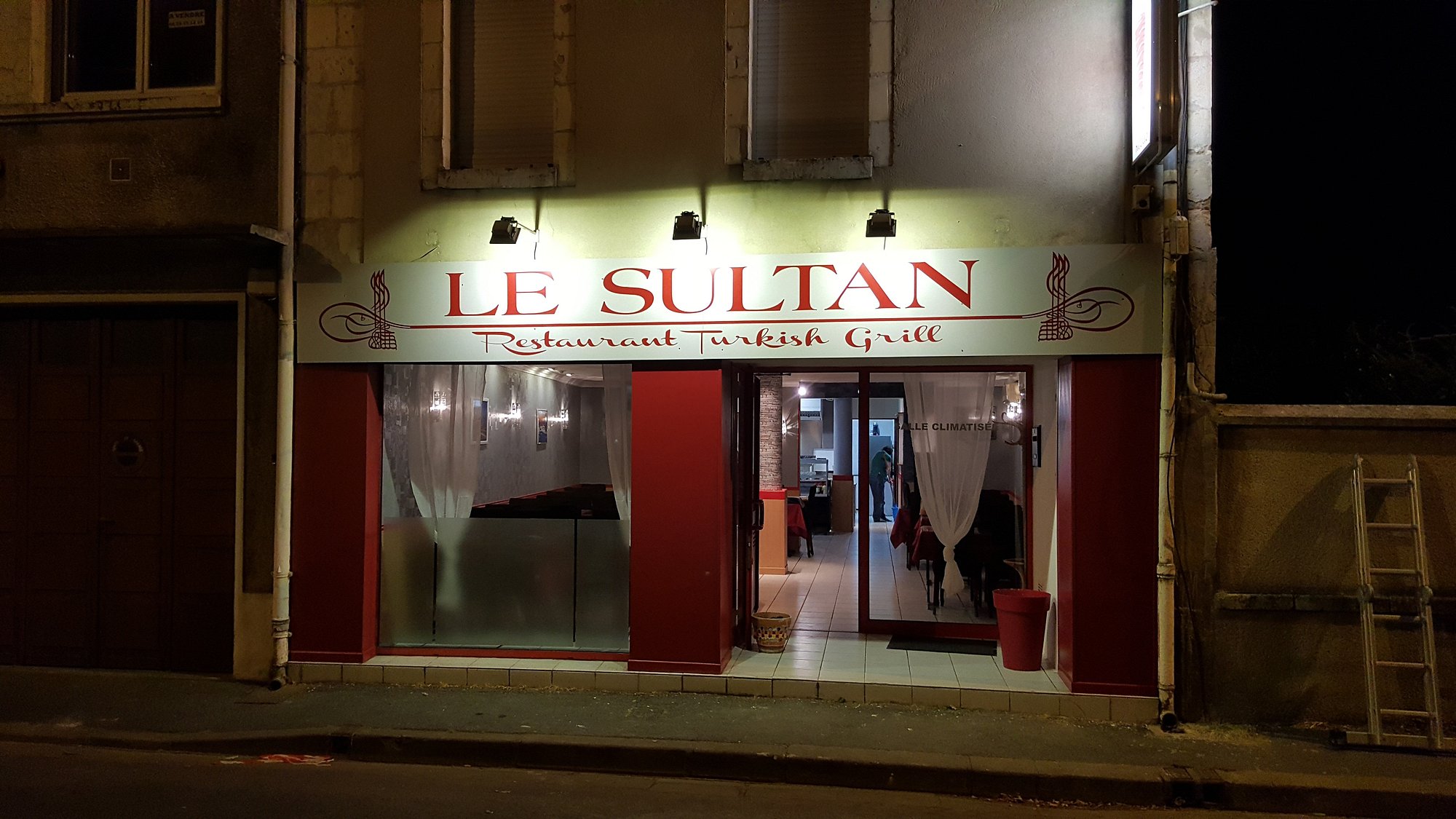
A bitter dispute between a popular chicken kebab restaurant and local authorities in Paris has escalated into a national talking point after a court ruled against a mayor who attempted to restrict access to the business by placing large flower pots and barriers outside the establishment.
The conflict centres around Le Sultan Grill, a busy halal chicken kebab shop in Paris that has become well known among students, tourists and late-night diners for its affordable meals and extended trading hours.
Residents living near the restaurant had complained for months about noise, littering and crowds gathering outside the outlet late into the night. In response, local municipal officials moved to impose earlier closing times on the business, arguing that the restaurant’s popularity was negatively affecting the surrounding neighbourhood.
The dispute intensified when the mayor’s office ordered the placement of large flower pots and street barriers outside the premises in what critics described as an attempt to obstruct customer access and discourage crowds from gathering in the area.
Restaurant owner Mehmet Kaya condemned the move, accusing authorities of unfairly targeting his business.
“We have followed the rules, paid our taxes and served this community for years,” Kaya said in interviews with French media. “Instead of working with us, the city tried to shut us down.”
The restaurant owner subsequently launched legal action against the municipality, arguing that the barriers harmed trade and amounted to an abuse of power.
A French court later ruled in favour of the restaurant, ordering the municipality to remove the flower pots and street obstacles. The court reportedly found that the mayor’s office had exceeded its authority and could not use public infrastructure measures to effectively penalise a legally operating business.
The ruling has triggered widespread debate across France, with the case becoming symbolic of broader tensions involving immigration, halal businesses, nightlife and urban policy in Paris.
Supporters of the kebab shop accused local authorities of discrimination against immigrant-owned businesses, while municipal officials insisted the issue was strictly about public order and residents’ quality of life.
Local resident Claire Dubois said the neighbourhood had become increasingly difficult to live in because of the late-night activity surrounding the restaurant.
“People shout, leave rubbish everywhere and block entrances until early morning,” she said. “Residents also have rights.”
Meanwhile, supporters of Le Sultan Grill launched online petitions backing the restaurant and criticising the municipality’s actions as excessive and politically motivated.
The mayor’s office defended its original position, saying it had acted in response to repeated complaints from residents and concerns about congestion and safety in the busy district.
The case has since attracted national media attention and sparked broader discussion about how European cities balance vibrant nightlife, small business interests and residential concerns in densely populated urban areas.