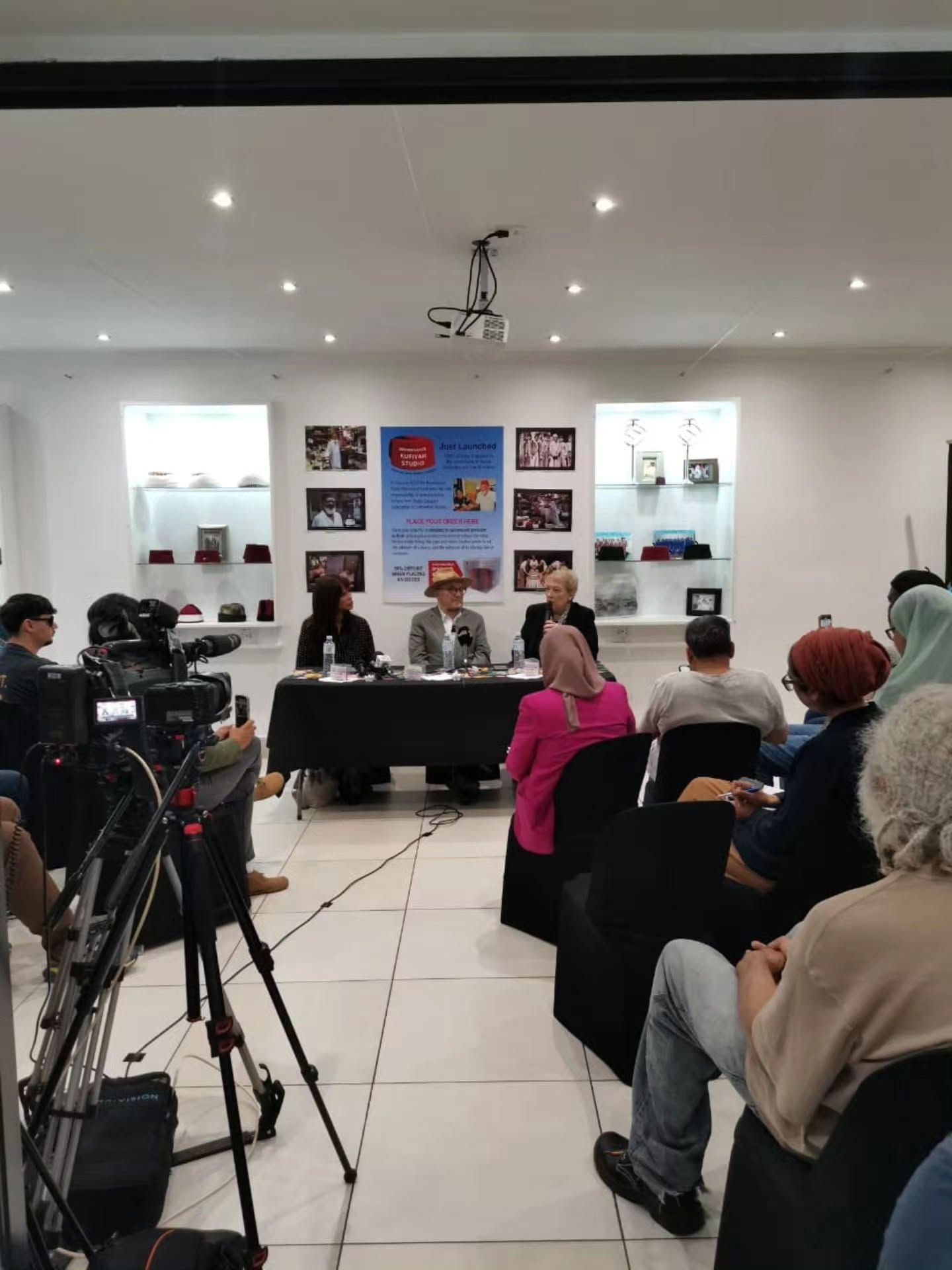
Former British MP George Galloway and journalist Yvonne Ridley used a media briefing in Cape Town on Wednesday to call for continued pressure over the war in Gaza, while challenging journalists to scrutinise how the conflict is reported.
The pair spoke at the Unfiltered Breakfast Briefing at the Bo-Kaap Cultural Hub as part of their People Power Tour of South Africa, which has focused on Palestine, human rights, international law, media freedom and South Africa’s role in the global response to the conflict.
Galloway praised South Africa for bringing its case against Israel before the International Court of Justice (ICJ), describing the country’s role as significant in the international debate over Palestine.
He said South Africans should recognise the wider impact of the case, while acknowledging that citizens would ultimately judge their government on its domestic record. Galloway also criticised the international response to the Gaza conflict and called for greater public pressure. “If you’re boycotting, boycott harder. If you’re marching, march further. If you’re giving to the suffering people in Palestine, give more,” he said.
He described US pressure on South Africa as a consequence of Pretoria’s position on Palestine and its legal action at the ICJ, referring to it as a “drive-by shooting”.
South Africa instituted proceedings against Israel under the Genocide Convention. The ICJ has issued provisional measures in the case but has not yet issued a final judgment determining whether Israel has committed genocide. Israel rejects the allegation.
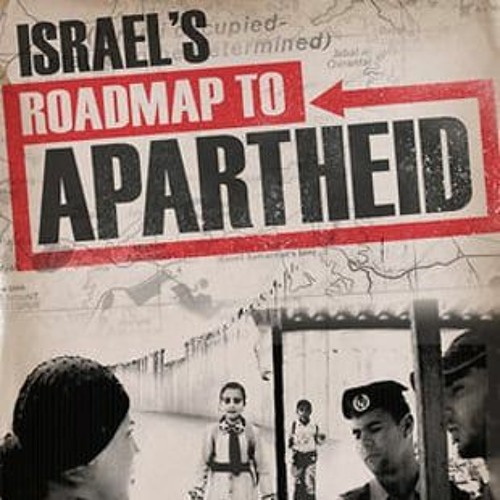
Galloway also drew comparisons between South Africa’s history of apartheid and the Palestinian question, arguing that colonialism continues to influence international politics. “Colonialism never died; it just took another form,” he said.
Ridley, meanwhile, focused on the role of journalists and the language used when reporting on Gaza.
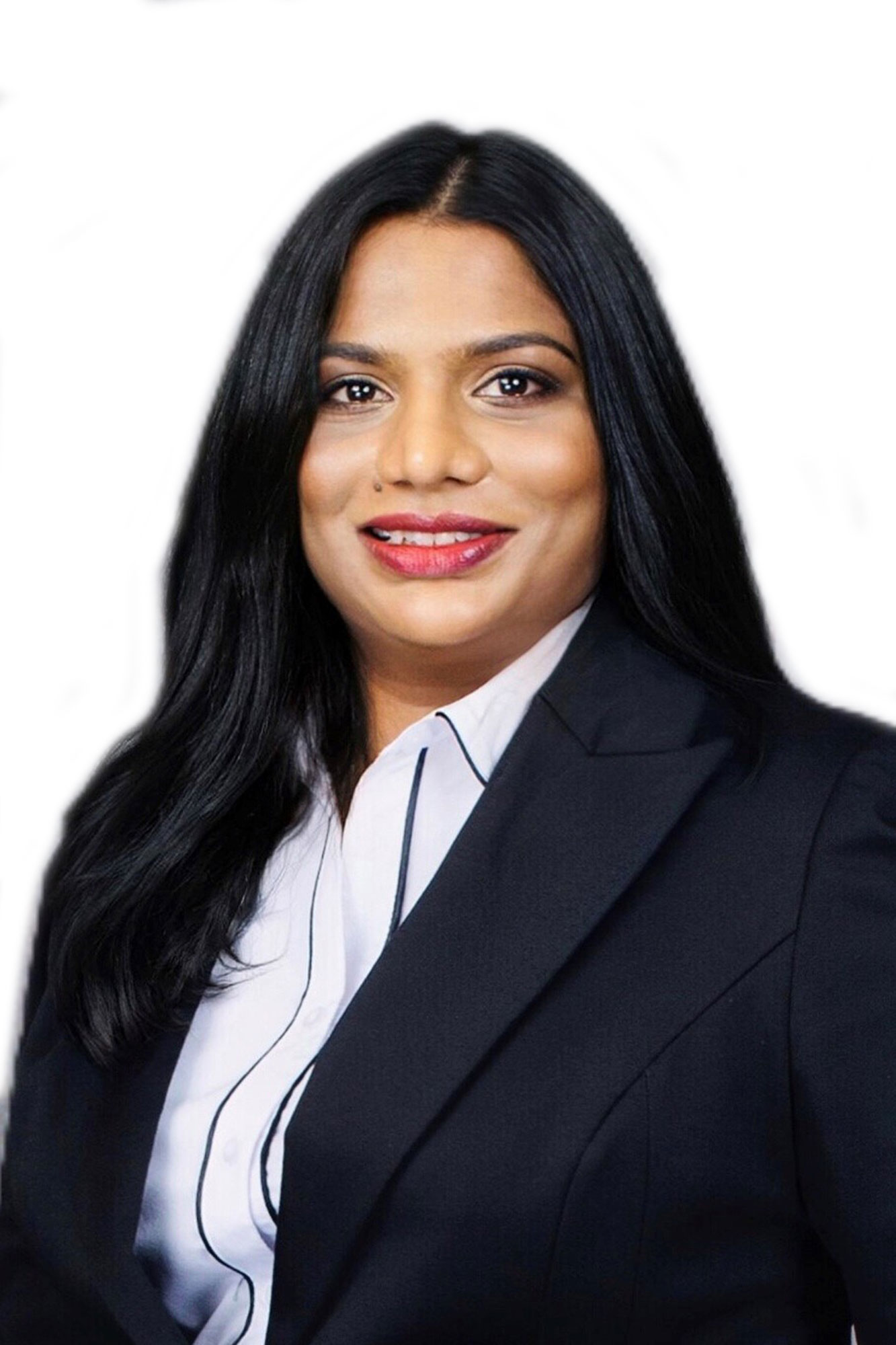
The British journalist said media organisations have a responsibility to provide context and uphold journalistic standards when covering conflict. “Words are the tools of our trade, and we have to use them correctly,” Ridley said. She encouraged journalists to remain organised and push for higher professional standards when reporting on Palestine. “Be united, get the support of your union and try and lift up the standards,” she said.
Ridley also criticised what she described as shortcomings in Western media coverage of the conflict, arguing that journalists should not avoid difficult stories because of political pressure.
The discussion touched on censorship, Islamophobia and accusations of antisemitism surrounding criticism of Israel. Galloway acknowledged antisemitism as a form of prejudice against Jewish people, while arguing that the term should not be used to dismiss criticism of Israeli government policy.
The briefing also raised questions about South Africa’s continued coal exports to Israel. Ridley called on South Africans to scrutinise the country’s trade relationship with Israel, an issue that has been raised by Palestine solidarity groups.
The Cape Town engagement forms part of the final leg of Galloway and Ridley’s South African tour. Their programme continues with events in Cape Town before a planned Palestine solidarity march in Sea Point on Saturday, 3 October.
The briefing ultimately focused on the relationship between media, political power and public pressure, with both speakers arguing that journalists and members of the public have a role to play in keeping attention on Gaza and the wider Palestinian question.