
What does it truly mean to follow the example of Prophet Muhammad ﷺ in the 21st century?
Following the Prophetic example is often understood as imitating his actions and practices. But when we move beyond worship and into the complexities of governance, economics, democracy, social relations, technology and statecraft, a deeper question emerges: should we simply reproduce the forms of the past, or seek to understand and apply the principles behind them?
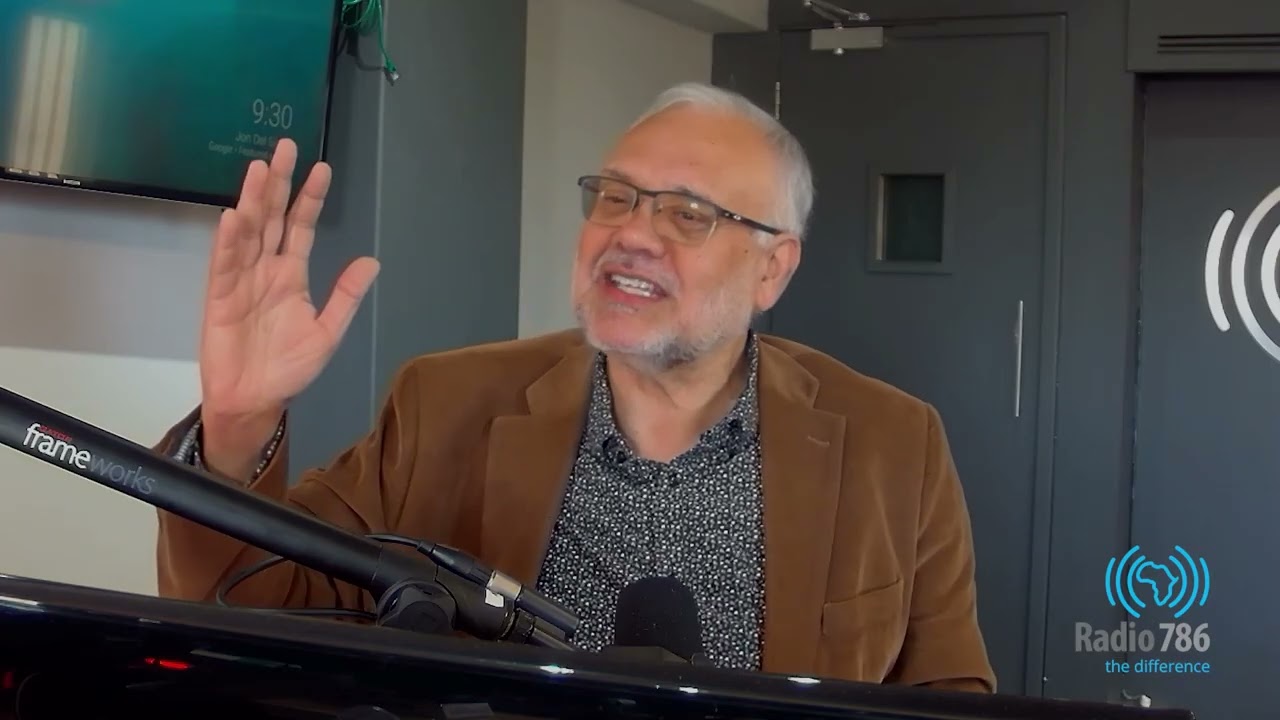
In his chapter in Prophet Muhammad at 1500, titled “Uswah as Emulation: Reviving the Jurisprudence of Worldly Engagement for Contemporary Statecraft,” Ambassador Ebrahim Rasool explores the distinction between imitation and emulation.
The chapter asks how Muslims can remain faithful to the Prophetic legacy while responding intelligently and creatively to the realities of a rapidly changing world.
From the Charter of Medina and the Treaty of Hudaybiyyah to questions of justice, human dignity, freedom, governance and social responsibility, this conversation explores what Prophetic emulation could mean for contemporary Muslim engagement with society and the modern state.
In This Episode
What does it mean to follow the Prophetic example today?
The difference between imitation and emulation
Understanding the principles and intentions behind the Prophet’s ﷺ actions
The Charter of Medina and lessons for contemporary society
The Treaty of Hudaybiyyah and navigating changing circumstances
Prophetic principles of justice, dignity and social responsibility
Islam, democracy and contemporary governance
Engaging with economics, technology and modern statecraft
Can timeless values be applied to changing social and political realities?
Reviving a jurisprudence of worldly engagement
Remaining faithful to the Prophetic legacy while engaging the 21st century
🎙️ Guest:
Ambassador Ebrahim Rasool
Author, former anti-apartheid activist, former diplomat and former Premier of the Western Cape