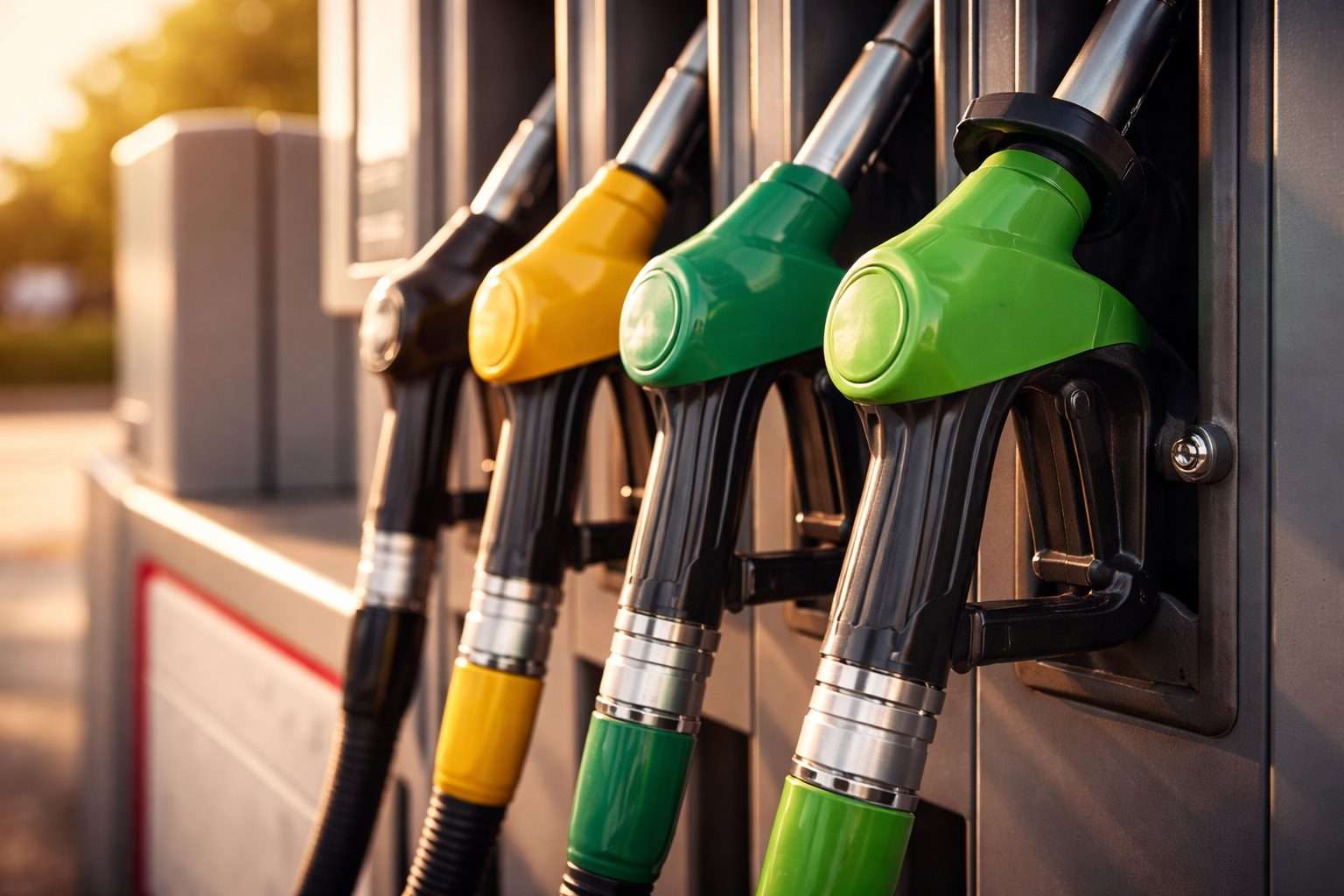
Most petrol stations are running dry due to a combination of panic buying and suppliers not delivering their stock on time. This is according to the manager of a fuel station in Grassy Park.
He told Radio 786’s breakfast show – NRA – that petrol stations are not hoarding fuel.
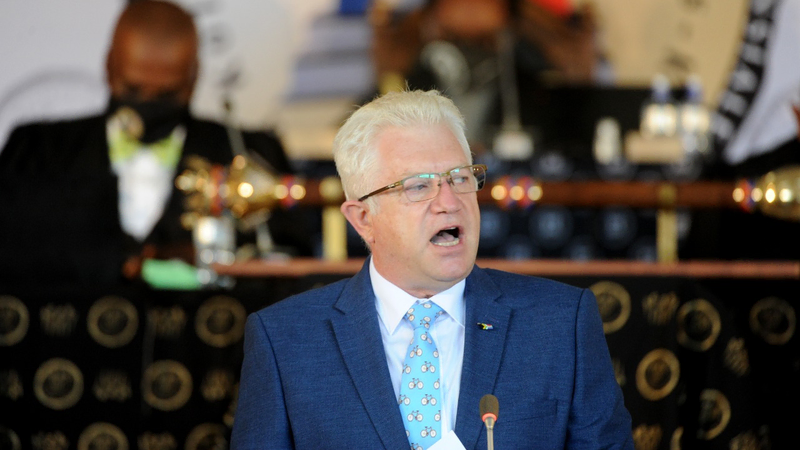
His comments come as Western Cape Premier Alan Winde is demanding that action be taken against what he says is the increased hoarding of fuel stock by some suppliers. He warns that the actions of unscrupulous suppliers could potentially derail the country’s entire economic recovery.
From Wednesday, April 1st, drivers are expected to pay a near R6 for a litre of fuel with diesel projected to jump as high as R10 a litre.
President Cyril Ramaphosa has requested that his government explore ways to cushion locals against the impact of the record-breaking hikes on South Africans.
US President Donald Trump meanwhile threatens to “obliterate” Iran’s power plants and oil wells if a deal is not reached “shortly”. This as speculation grows about a potential ground invasion and eventual occupation of Kharg Island, where Iranian crude oil is processed.
Trump falsely claims that the US is in “serious” talks with the “new and more reasonable” regime in Iran – but warns if a ceasefire is not agreed, the US will hit sites it has “purposefully not yet ‘touched’.
Meanwhile the International Monetary Fund on Monday said the US-Israel war on Iran has caused serious disruption to the economies of frontline countries and is dimming the outlook for many economies that had just started to recover from previous crises.
The global lender’s top economists said the war was causing a global, but asymmetric shock and leading to tighter financial conditions.
Finance leaders from the Group of Seven (G7) economic powers say they stand ready to take “all necessary measures” to safeguard energy market stability and limit broader economic spillover from current volatility.
After an online meeting of its ministers and central bankers, the G7 also called on countries “to refrain from imposing unjustified export restrictions on hydrocarbons and related products”.
A statement added G7 central banks remain strongly committed to maintaining price stability with monetary policy staying data‑dependent.
The war in West Asia has disrupted global energy supply,driving prices up and shaking markets, while benefiting Russia in the short term. African energy producers are meanwhile gaining an advantage as safer, more reliable alternatives, attracting European and Asian buyers.
The ongoing crises has led to approximately less 8 million barrels of crude per day and 20% of liquefied natural gas (LNG). Brent crude has surged more than 50% to around $115 dollars per barrel since the conflict erupted in late February, while the U.S. stock market has lost nearly $4 trillion.