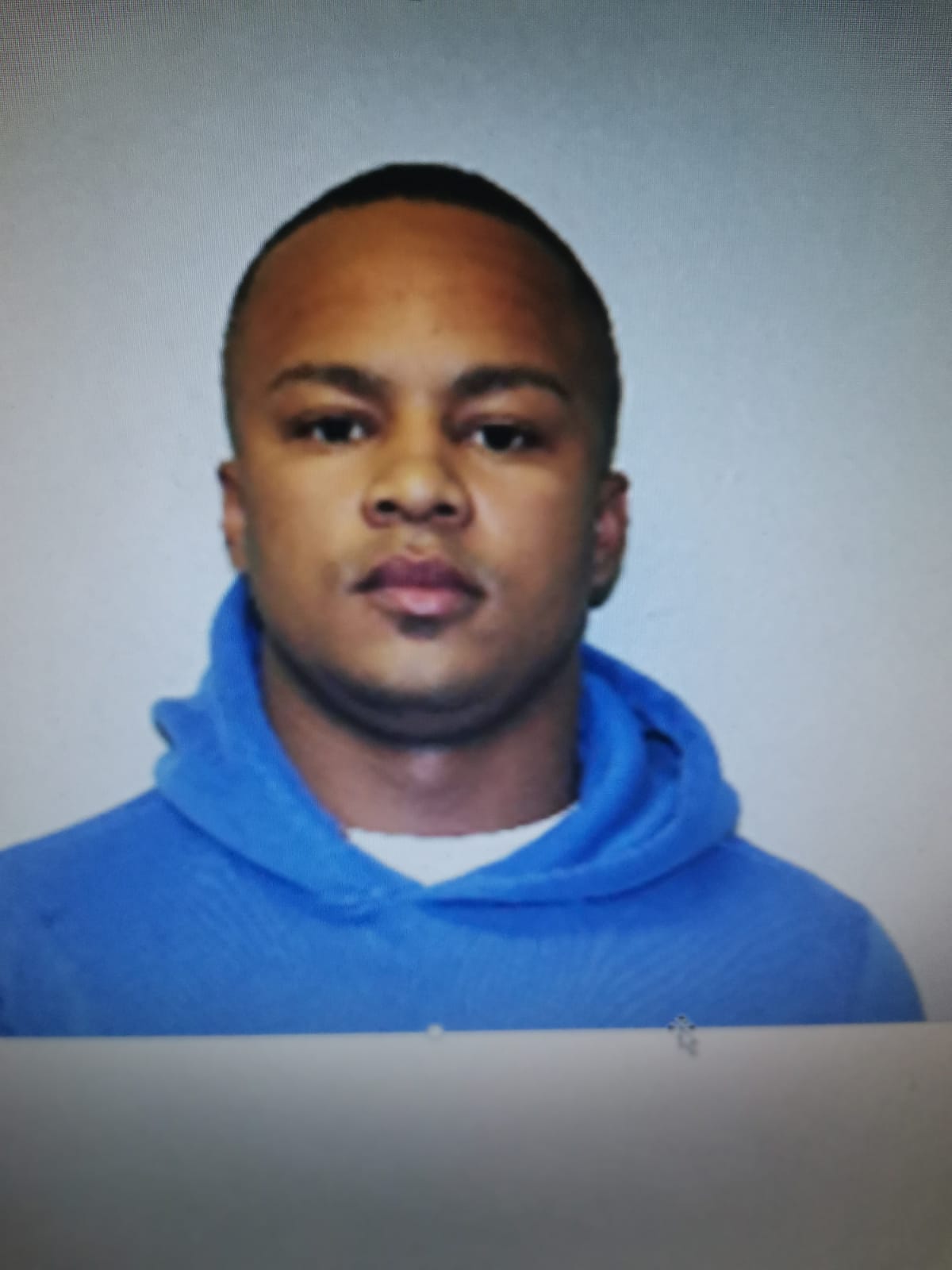
An apartheid-era informant known as an Askari is set to appear in the Benoni Regional Court in Gauteng on a range of serious charges, including 15 counts of murder, kidnapping and defeating the ends of justice.
The 74-year-old suspect is alleged to have played a role in a series of covert operations linked to the notorious Vlakplaas unit of the apartheid security police. Prosecutors allege that several young anti-apartheid activists were deceived into believing they were participating in missions against the apartheid government, only to be killed in operations allegedly orchestrated by members of the security forces.
According to the Hawks, the suspect has been linked to three incidents known as Operation Zero Zero, the Nietverdiend 10 and the KwaNdebele 9. Investigators say the operations followed a similar pattern, with young recruits allegedly being promised military training and involvement in the liberation struggle before being supplied with explosives and taken across South Africa’s borders.
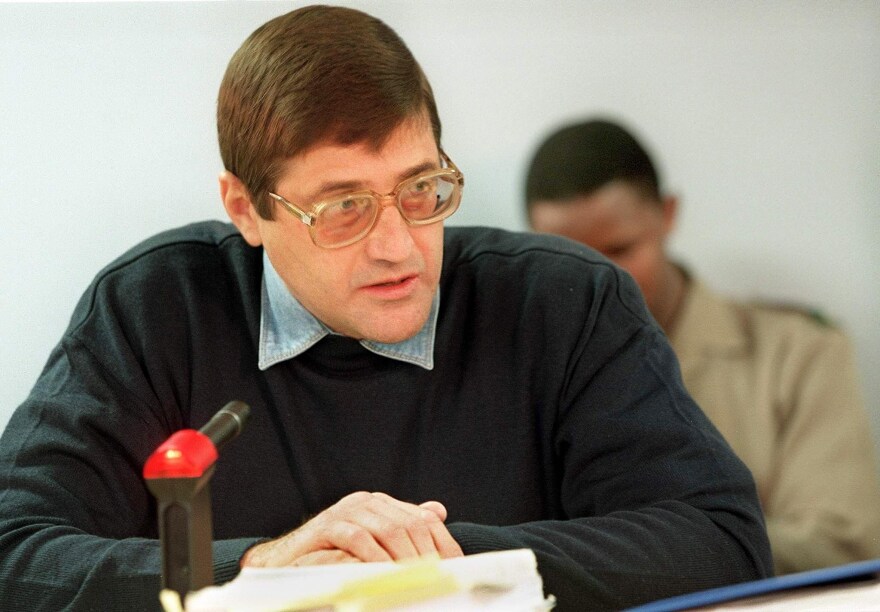
The Hawks allege that the operations were conducted from Vlakplaas, the covert police counterinsurgency unit that became synonymous with abductions, torture and extrajudicial killings during the apartheid era. Vlakplaas was commanded by convicted former police officer and assassin Eugene de Kock, who became one of the most prominent figures to testify before South Africa’s post-apartheid truth-seeking processes.
The investigation originates from evidence presented before the Truth and Reconciliation Commission (TRC), which was established in 1995 to uncover gross human rights violations committed during apartheid. Through testimony from victims, former security force members and political activists, the Commission exposed a network of covert operations designed to infiltrate liberation movements and eliminate perceived opponents of the state.
Among the matters examined by the TRC were allegations that young activists were lured into participating in what they believed were legitimate anti-apartheid activities. In some instances, they were reportedly supplied with explosives that later detonated, killing them and allowing the apartheid security apparatus to portray the deaths as the result of operational mishaps or acts of terrorism.
The TRC recommended that a number of unresolved cases be referred for further criminal investigation where perpetrators had not applied for amnesty, had been denied amnesty, or where sufficient evidence existed to warrant prosecution. However, many families of apartheid-era victims have spent decades seeking justice, arguing that prosecutions arising from the Commission’s findings were delayed or never pursued.
The latest court appearance comes amid renewed attention on unresolved apartheid-era crimes. In recent years, victims’ families and civil society organisations have intensified calls for accountability, contending that numerous cases identified by the TRC remain outstanding despite the passage of more than three decades since the end of apartheid.
The accused is expected to face proceedings relating to all three incidents as prosecutors seek to advance one of the most significant apartheid-era criminal cases to emerge in recent years. The matter has once again highlighted South Africa’s ongoing efforts to confront the legacy of apartheid and deliver justice to families who have waited decades for answers.
The case was postponed for further proceedings, with investigators and prosecutors expected to continue presenting evidence gathered from historical records, witness testimony and findings that emerged from the TRC process.