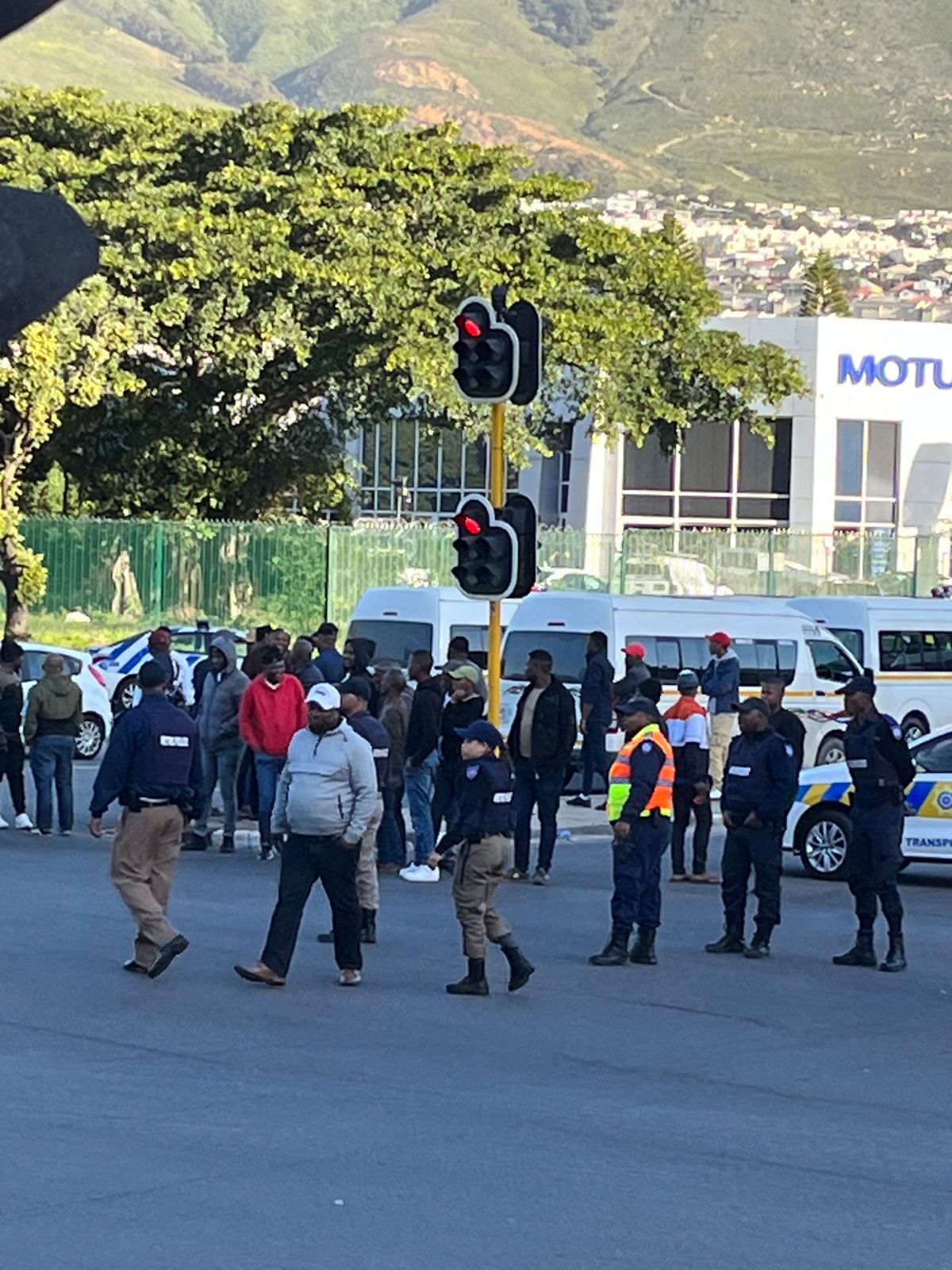
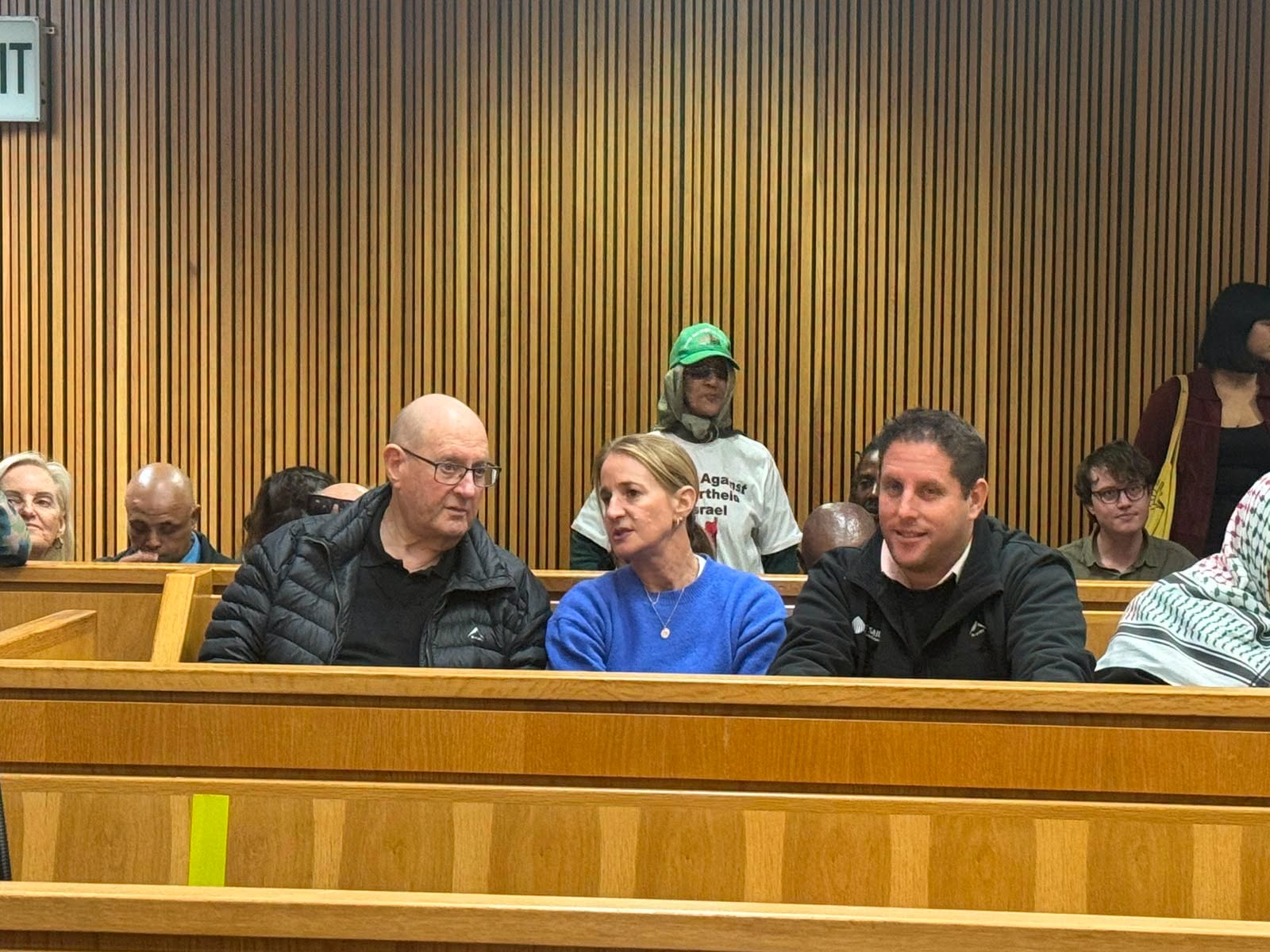
The Palestine Solidarity Campaign (PSC) and pro-Palestinian activists have defended their right to use strong and provocative slogans during protests outside Cape Union Mart stores, arguing that their actions must be viewed within the context of Israel’s military campaign in Gaza.
The matter is currently before the courts after outdoor retailer Cape Union Mart and its founder, Philip Krawitz, sought legal relief against activists who have staged demonstrations and boycott campaigns targeting the company.
During closing arguments, Advocate Ismail Jaimie, representing the activists, argued that while some of the chants and slogans used during protests may be regarded as harsh, they are justified against the backdrop of what activists describe as Israel’s genocide in Gaza.
The protests form part of a broader international Boycott, Divestment and Sanctions (BDS) campaign aimed at pressuring individuals, companies and institutions perceived to support Israel.
Jaimie told the court that the application brought by Cape Union Mart and Krawitz amounts to an attempt to silence activists and curtail constitutionally protected rights to freedom of expression, assembly and protest.
He further argued that Krawitz, who has publicly expressed support for Zionism and Israel, must accept that his views will attract criticism and opposition from those campaigning in solidarity with Palestinians.
The activists maintain that their demonstrations are directed at what they regard as political support for Israel rather than the personal targeting of individuals. They contend that public protest remains a legitimate tool for drawing attention to the humanitarian crisis in Gaza and holding those they believe are complicit accountable.
Cape Union Mart and Krawitz, however, have argued that certain protest actions and statements have crossed legal boundaries and caused harm. Through their court application, they are seeking protection against conduct they contend is unlawful and damaging.
The case has drawn significant public interest amid heightened tensions surrounding the war in Gaza, which has sparked widespread demonstrations, boycott campaigns and legal challenges in South Africa and around the world.
The court is expected to consider the competing rights at the heart of the matter, including freedom of expression and protest on the one hand, and protections against harassment, intimidation and reputational harm on the other.
A ruling is expected at a later date.