Iran has launched a flurry of diplomatic engagements across the region and beyond as efforts continue to build momentum around a new framework agreement with the United States and to address key regional issues.
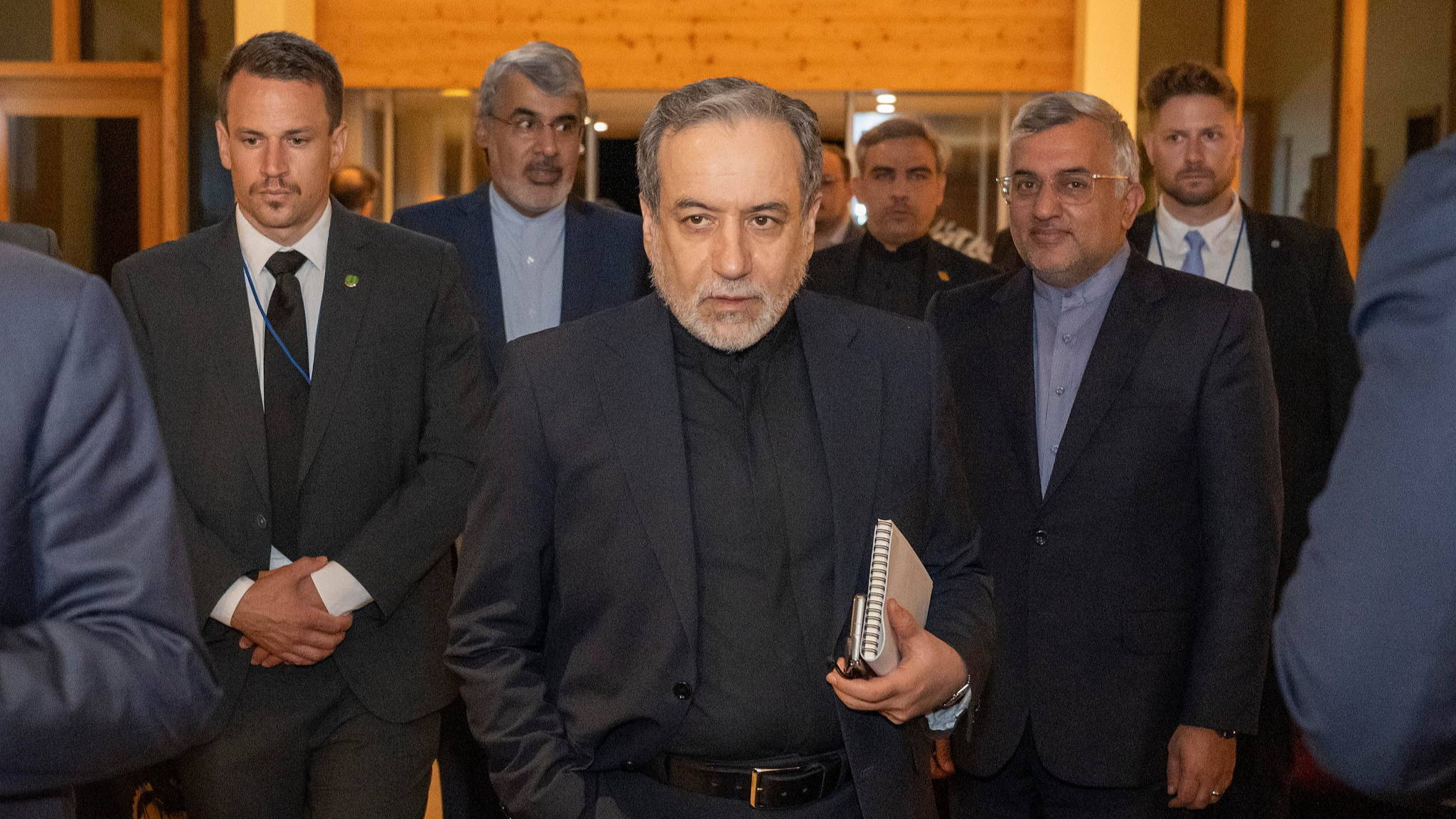
Senior Iranian officials, including Parliament Speaker Mohammad Bagher Ghalibaf and Foreign Minister Abbas Araghchi, are expected to travel to Oman for discussions focused on the management of the Strait of Hormuz and strengthening bilateral coordination on maritime and regional security matters.
The talks come at a critical time for the region. The Strait of Hormuz remains one of the world’s most important shipping lanes, carrying a substantial share of global oil and gas exports. Any disruption to traffic through the narrow waterway has the potential to impact international energy markets and global trade.
Meanwhile, signs of progress have emerged in negotiations between Washington and Tehran. Speaking on the latest round of discussions, US Vice President JD Vance said negotiators had made “a lot of good progress” and that a “very good foundation” had been established for what could become a successful final agreement between the two countries.
In a further indication of easing tensions, the United States Department of the Treasury has issued a general licence authorising the production, delivery and sale of Iranian-origin crude oil, petroleum and petrochemical products through 21 August. The move is expected to provide temporary relief to Iran’s energy sector while negotiations continue.
Regional actors have also welcomed the diplomatic momentum. Qatar’s Prime Minister described recent talks held in Switzerland as “very important” in laying the groundwork for future negotiations between the United States and Iran. The discussions are seen as part of a broader effort to stabilise relations after years of strained ties, sanctions and periodic military confrontations.
Iran is simultaneously pursuing diplomatic outreach across Asia. President Masoud Pezeshkian is scheduled to undertake a one-day visit to Pakistan on Tuesday, highlighting Tehran’s efforts to strengthen regional partnerships and economic cooperation.
At the same time, diplomatic engagement between Iran and China has continued on the sidelines of a BRICS meeting in New Delhi. Chinese Foreign Minister Wang Yi met with Iran’s Deputy Secretary of the Supreme National Security Council, Ghadir Nezami, where both sides discussed the emerging US-Iran framework agreement and broader regional developments.
According to China’s Foreign Ministry, Wang described the 14-point US-Iran framework agreement as reflecting the “spirit of equality”, adhering to the principles of the United Nations Charter and conforming to accepted norms of international relations. He said successful implementation of the agreement could help consolidate the recently achieved ceasefire, create new opportunities for improved relations between Tehran and Washington, and contribute to restoring stability in the Middle East.
Wang reaffirmed Beijing’s support for Iran, describing China as Tehran’s “comprehensive strategic partner”. He stated that China supports efforts aimed at peace and stability while backing Iran’s sovereignty, security and national dignity. The Chinese diplomat also commended Iran’s recent efforts to improve relations with Gulf states and other regional partners.
Iranian officials welcomed China’s continued support. Nezami expressed appreciation for Beijing’s political backing, underscoring the growing strategic relationship between the two countries at a time when diplomatic activity surrounding Iran has intensified significantly.
Separately, Iran has indicated that it will continue cooperating with the International Atomic Energy Agency (IAEA). Foreign Ministry spokesperson Esmail Baghaei said cooperation would continue in accordance with existing procedures and within the framework approved by Iran’s Parliament and the country’s Supreme National Security Council.
Taken together, the developments point to a period of heightened diplomatic engagement for Iran, with negotiations, regional dialogue and international partnerships all playing a role in shaping the next phase of relations between Tehran, Washington and key regional stakeholders.
LISTEN:Iran’s Deputy Foreign Minister Saeed Khatibzadeh, who is visiting South Africa, sat down with Radio 786’s Tashreeq Truebody on the sidelines of an event in Cape Town.