Acting Police Minister Firoz Cachalia says government is spending an estimated R600 million on heightened security operations ahead of the planned anti-immigration protests on 30 June. The additional expenditure is being directed towards policing, intelligence gathering, public order policing deployments and inter-agency coordination across the country. Cachalia warned that the funds could otherwise have been used to strengthen long-term community safety initiatives, improve police infrastructure and support crime-fighting operations. Authorities have identified Gauteng, KwaZulu-Natal, the Eastern Cape and the Western Cape as potential hotspots and say law enforcement agencies are on high alert to prevent violence, intimidation and vigilantism.
The planned demonstrations stem from growing public frustration over illegal immigration, unemployment, crime and pressure on public services. Anti-immigration groups have called on undocumented foreign nationals to leave South Africa by 30 June, with some organisations threatening nationwide shutdowns and protest action if government fails to act. Security officials have stressed that while peaceful protest is protected under the Constitution, any acts of violence, intimidation or attacks on foreign nationals will be dealt with decisively.
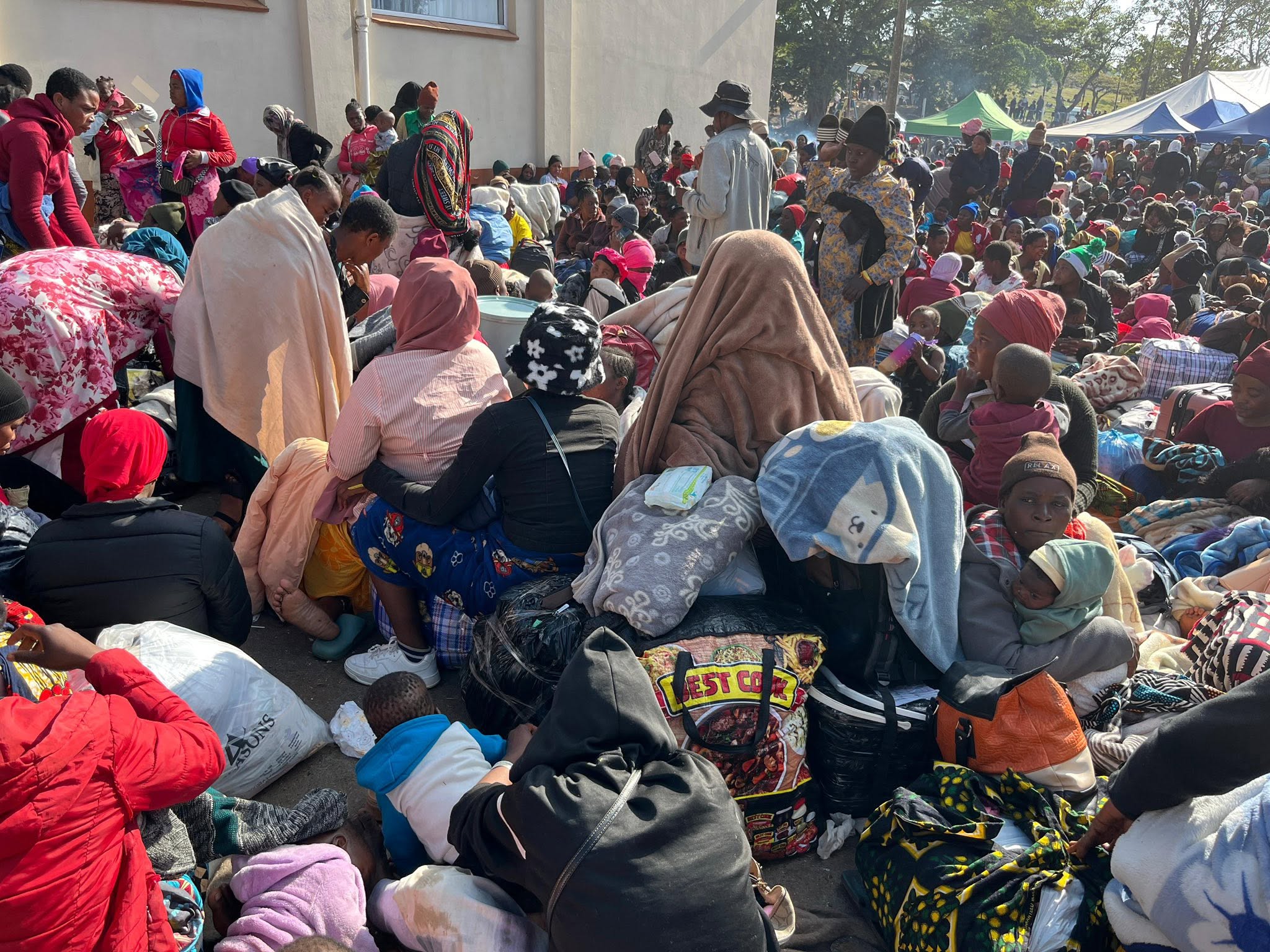
The tensions have intensified in recent weeks, particularly in Durban, where thousands of undocumented migrants – many of them Malawian nationals – have gathered while awaiting repatriation. Delays in the process have led to clashes with police and increased pressure on government departments responsible for immigration and border management. Several African countries, including Malawi, Ghana and Nigeria, have also taken steps to assist citizens who wish to return home amid concerns about their safety.
President Cyril Ramaphosa has cautioned against blaming migrants for South Africa’s economic and social challenges, arguing that unemployment, crime and poor service delivery are complex problems that cannot be solved through scapegoating vulnerable groups. Major labour federations, including Congress of South African Trade Unions, have also urged workers not to participate in the planned protests, warning that xenophobia and violence will only deepen social divisions.
South Africa has a long and troubled history of anti-immigrant violence, including deadly outbreaks of xenophobic attacks in 2008, 2015 and subsequent years. The current tensions have revived fears of similar unrest, prompting government to deploy significant resources to maintain order and protect both citizens and foreign nationals in the lead-up to 30 June.