
Tehran/Beirut/Occupied Palestine – Tensions in the region escalated sharply after Israeli strikes targeted western and central Iran, with explosions reported in Tehran, Tabriz and Isfahan.
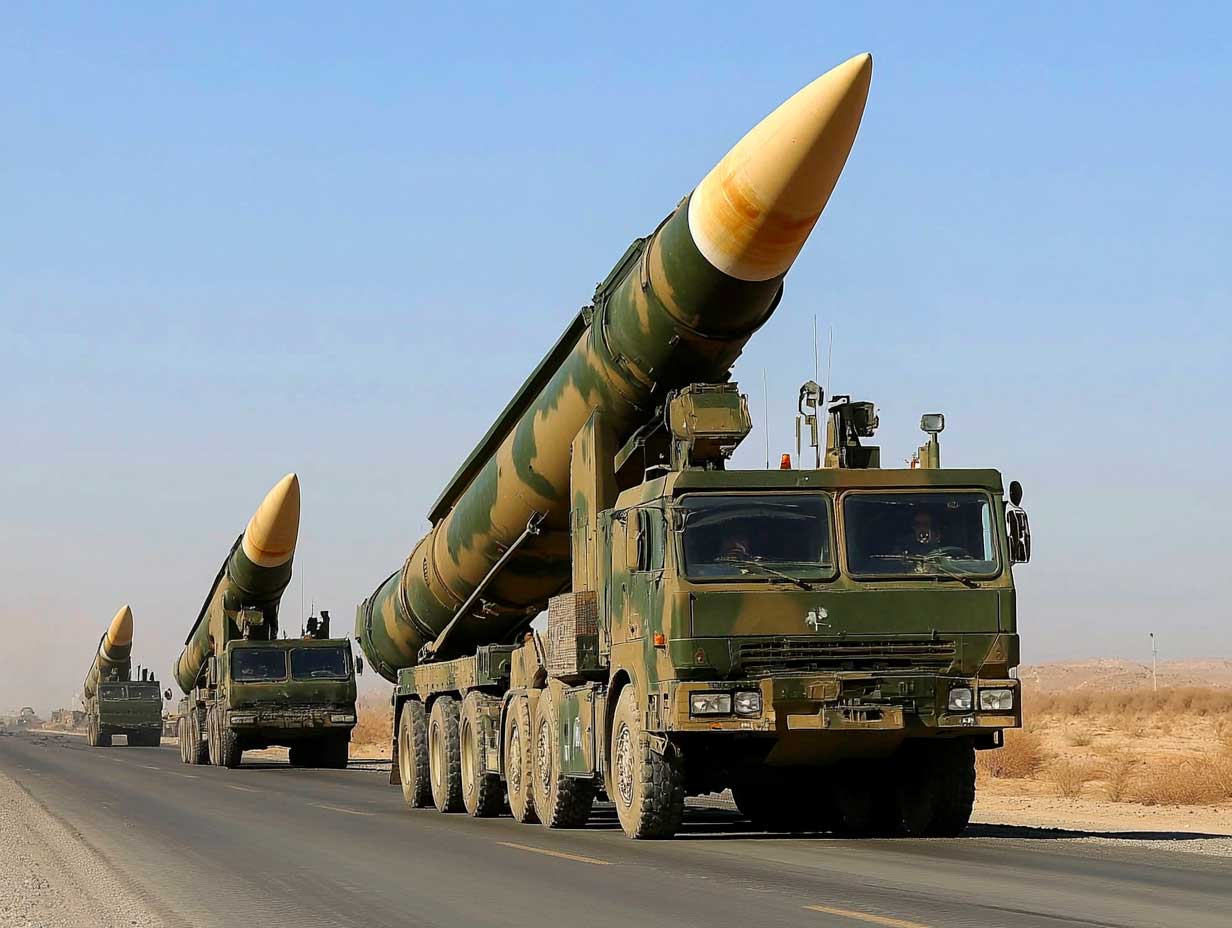
Iran responded with missile attacks against Israel, triggering air raid sirens across several areas. Videos circulating on social media appeared to show Iranian missiles crossing the skies over northern occupied Palestine. Reports indicated that some missiles struck their targets despite Israeli claims that its air defence systems intercepted all incoming projectiles.
The latest developments follow warnings from Tehran that it would respond if Israel expanded its attacks on the Lebanese capital, Beirut. On Sunday afternoon, Israeli forces carried out an attack on the Mreijeh area in Beirut’s southern suburb of Dahiyeh. According to Lebanon’s Health Ministry, at least two people were killed and 20 others injured in the strike.
In a statement, the commander of Iran’s Khatam al-Anbiya Central Headquarters accused Israel of repeatedly violating the ceasefire and intensifying attacks against Lebanon with what he described as the support of the United States and the silence of international institutions.
The commander further alleged that Israeli forces had increased operations in southern Lebanon and Beirut’s Dahiyeh district despite previous warnings from Iran. He reiterated Tehran’s earlier position that any expansion of attacks in Beirut would prompt strikes on targets within the occupied territories.
“We had previously warned that if the crime in the Dahiyeh suburb of Beirut expands, we will strike targets in the occupied territories,” the statement said.
The commander also warned that any further escalation by Israel or retaliation against Iranian actions would result in what he described as “more crushing and regret-inducing blows” and wider attacks against Israel and its supporters.
Meanwhile, Iran’s Islamic Revolutionary Guard Corps (IRGC) announced the launch of Operation Nasr (Victory), targeting what it described as the strategic Israeli airbases of Nevatim and Tel Nof. The IRGC said the facilities were selected because they serve as key launch sites for Israeli military operations and that the strikes were carried out in response to Israeli attacks on several radar installations inside Iran.
According to the IRGC, the speed of the response and an expanded list of targets were central features of the operation. Iranian military officials also stated that their forces remain on full readiness to conduct broader operations intended to strengthen deterrence and demonstrate military capability.
Separately, Yemen’s Armed Forces announced that they had launched a missile barrage against what they described as sensitive Israeli targets in the occupied Yaffa region, claiming the attacks achieved their objectives with precision.
The Yemeni military also declared a total ban on Israeli maritime navigation in the Red Sea, warning that all Israeli movements in the area would be considered legitimate military targets from the moment of the announcement.
In its statement, the Yemeni Armed Forces said it would respond to any escalation with further escalation and that military operations would intensify in line with developments on the ground and in coordination with the Axis of Resistance.
The statement further expressed support for what it described as resistance against American and Israeli actions in Iran, Palestine, Lebanon, Iraq and Yemen, while reiterating opposition to the so-called “Greater Israel” project and calling for an end to the blockade affecting Gaza and other parts of the region.
The exchange of attacks marks one of the most serious regional escalations in recent months, raising concerns about the possibility of a broader conflict involving multiple fronts across West Asia.