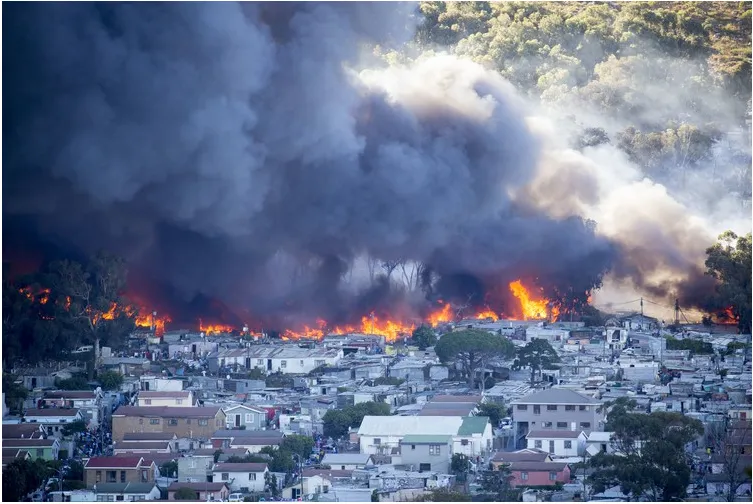

Cape Town is currently experiencing a severe heatwave, with temperatures soaring well above normal for early autumn. Weather authorities have warned that the hot spell is expected to continue for several days, bringing potentially dangerous conditions for residents across the Western Cape.
According to the South African Weather Service (SAWS), parts of the Western Cape and Northern Cape are facing very hot to extremely hot temperatures, with Cape Town expected to reach around 40°C.
The heatwave began earlier in the week and is expected to last until around Friday 13 March, with daytime temperatures across parts of the province climbing into the high 30s and low 40s.
Meteorologists say the unusual heat is being driven by a slow-moving high-pressure system, which is trapping warm air over the region and pushing temperatures far above the seasonal average.
Authorities have warned that prolonged exposure to such extreme heat can lead to dehydration, heat exhaustion and heatstroke, particularly among vulnerable groups such as children, the elderly, outdoor workers and people with existing medical conditions.
Increased Risks During Extreme Heat
The City of Cape Town’s Disaster Risk Management Centre has urged residents to take the weather advisory seriously. Officials warn that extended periods of extreme heat can strain the body’s ability to regulate temperature, increasing the risk of heat-related illnesses.
The hot and dry conditions also raise the risk of veld fires, prompting authorities to caution residents about open flames and fire hazards.
Tips to Survive the Cape Town Heatwave
Here are some practical ways residents can stay safe and comfortable during the current heatwave.
- Stay Hydrated – for those not fasting
Drink plenty of water throughout the day, even if you don’t feel thirsty. Dehydration can happen quickly in high temperatures. Avoid excessive caffeine, sugary drinks or alcohol, which can worsen dehydration.
- Avoid the Midday Sun
The sun is strongest between 10am and 4pm. If possible, limit outdoor activity during these hours and plan errands or exercise for early morning or evening.
- Wear Light Clothing
Choose loose, breathable fabrics such as cotton or linen. Light colours help reflect heat rather than absorb it. A wide-brimmed hat and sunglasses can provide additional protection.
- Seek Cool Spaces
Spend time in shaded areas or air-conditioned spaces such as shopping centres, libraries or community facilities if your home becomes too hot.
- Protect Your Skin
Use sunscreen regularly and reapply throughout the day to avoid sunburn, which can make it harder for your body to regulate temperature.
- Check on Vulnerable People
Elderly neighbours, young children and people with health conditions are especially vulnerable to extreme heat. Authorities encourage residents to check on friends and family during heatwaves.
- Know the Warning Signs
Symptoms of heat exhaustion include dizziness, muscle cramps, nausea and heavy sweating. If someone shows these signs, move them to a cool area, offer water and seek medical help if symptoms worsen.
When Will the Heat Break?
Forecasters expect temperatures to remain extremely hot through the middle of the week, with some relief anticipated towards the weekend as conditions cool to more typical late-summer levels.
Until then, residents are urged to remain cautious and take the necessary steps to protect themselves from the extreme heat.