
The Memorandum of Understanding (MoU) between Iran and the United States has officially come into effect, marking a significant diplomatic breakthrough after months of conflict and regional instability.
The agreement, brokered with the assistance of international mediators including Pakistan and Qatar, establishes a 60-day framework aimed at transforming a fragile ceasefire into a broader settlement covering Iran’s nuclear programme, sanctions relief, regional security and maritime trade through the Strait of Hormuz.
Under temporary measures that took effect following the agreement, shipping operators are required to submit transit requests to the Persian Gulf Strait Authority. Iran has also agreed to waive all transit fees for the first 60 days while commercial traffic gradually resumes through one of the world’s most strategically important waterways. Authorities have instructed vessels to adhere to designated routes, schedules and operational directives amid ongoing security concerns.
The implementation of the MoU comes despite a setback in diplomatic efforts. Technical talks and a planned signing ceremony in Switzerland were postponed after a surge in violence in Lebanon. Iranian officials suspended their participation following Israeli air strikes and renewed clashes involving Hezbollah, arguing that regional hostilities threatened the spirit of the agreement. US officials have indicated they remain prepared to resume negotiations once conditions permit.
The memorandum, finalised earlier this week, contains 14 key provisions intended to create the conditions for a permanent agreement. Among the reported clauses are an immediate and permanent ceasefire on all fronts, including Lebanon; commitments by both sides to refrain from military action against one another; respect for sovereignty and non-interference; the lifting of the US naval blockade against Iran; the reopening of the Strait of Hormuz to commercial shipping; suspension of sanctions on Iranian oil exports; and a commitment by Iran not to pursue nuclear weapons.
Other reported provisions include cooperation with the International Atomic Energy Agency, the gradual release of Iranian frozen assets, negotiations toward broader sanctions relief, support for Iran’s economic reconstruction, guarantees for freedom of navigation, mechanisms to monitor compliance, and a commitment to pursue a final agreement backed by a United Nations Security Council resolution.
The MoU also outlines a timetable for future negotiations. During the 60-day period, both sides are expected to address some of the most contentious issues, including Iran’s enriched uranium stockpile, nuclear infrastructure, long-term sanctions policy and regional security arrangements.
While the agreement has been welcomed as the most significant diplomatic opening between Washington and Tehran in years, analysts caution that its success will depend on both sides maintaining the ceasefire and avoiding further regional escalation.
For now, the reopening of the Strait of Hormuz and the resumption of commercial shipping are being viewed as the first tangible signs that the agreement is beginning to take effect, offering hope for greater stability in the Gulf and relief for global energy markets.
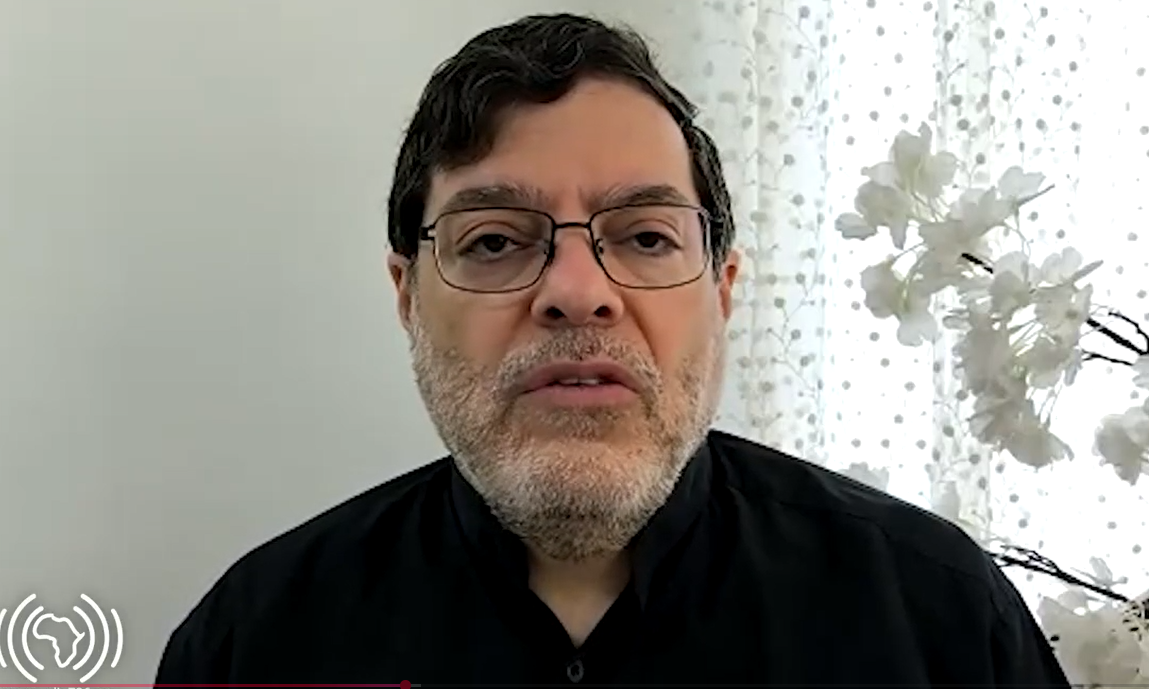
To unpack the 14 points of the MOU, we’re joined by academic and political analyst Professor Mohammad Marandi: