
You’ve bought a property, signed the paperwork and secured your home loan — but when does the property legally become yours?
For many South Africans, buying or selling a home is one of the biggest financial decisions they’ll ever make. Yet behind every property transaction is an important legal process involving conveyancers, title deeds, property registration and the Deeds Office.
On this episode of Legal Hour, we unpack how the Deeds Office in South Africa works, why it plays such an important role in property ownership and what happens between signing an Offer to Purchase and having a property officially registered in your name.
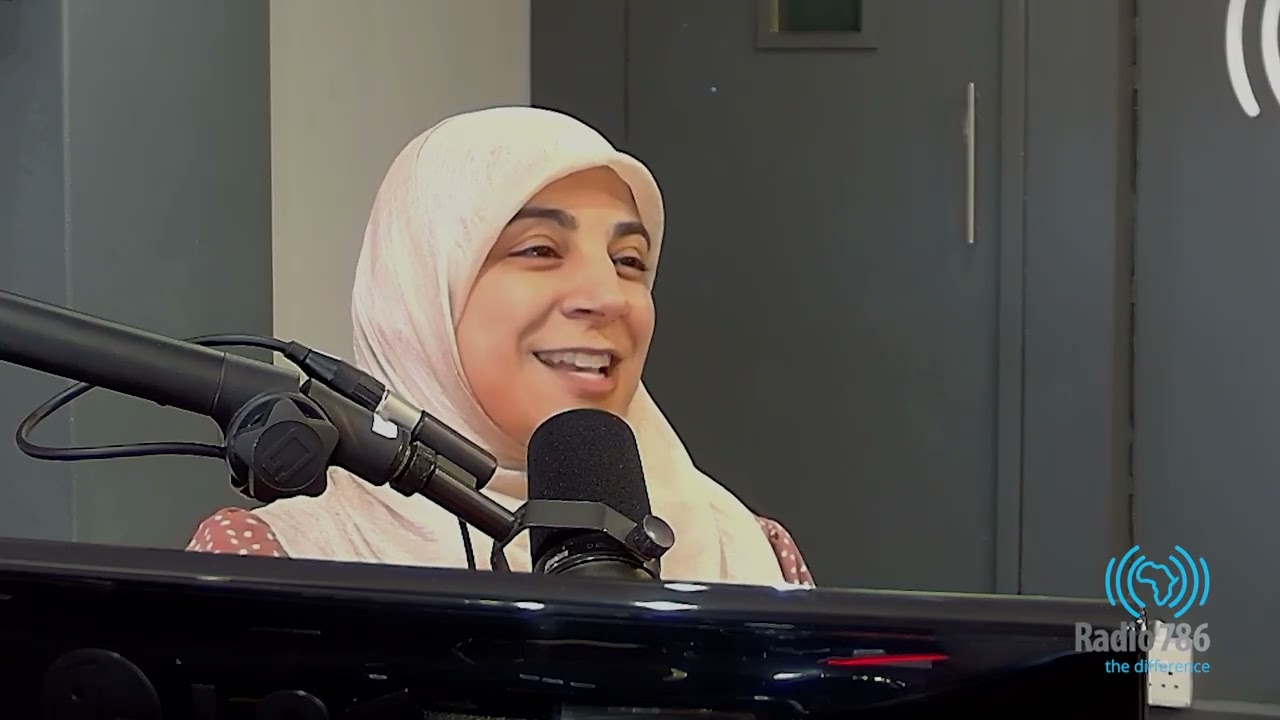
Joining us is Reheema Essack from Essack & Mulder Incorporated, who explains the functions and processes of the Deeds Office, the responsibilities of conveyancing attorneys and the legal complications that can arise during property transfers.
We also explore an important question involving wills, inherited property and the rights of family members who continue living in a home after the owner’s death.
Why Understanding the Deeds Office Matters
A property transaction involves much more than exchanging money and receiving keys. The Deeds Office maintains official records of registered property rights and plays a central role in ensuring that property transfers are legally recorded.
Understanding this process can help buyers and sellers know what to expect, recognise possible delays and ask the right questions throughout a transaction.
For families dealing with deceased estates, understanding the relationship between wills, property ownership and rights of occupation can also help prevent confusion and disputes.
Whether you’re buying your first home, selling property, dealing with an inheritance or simply wanting to understand your legal rights, this conversation offers valuable insights into South Africa’s property registration system.
Guest:
Reheema Essack — Essack & Mulder Incorporated