
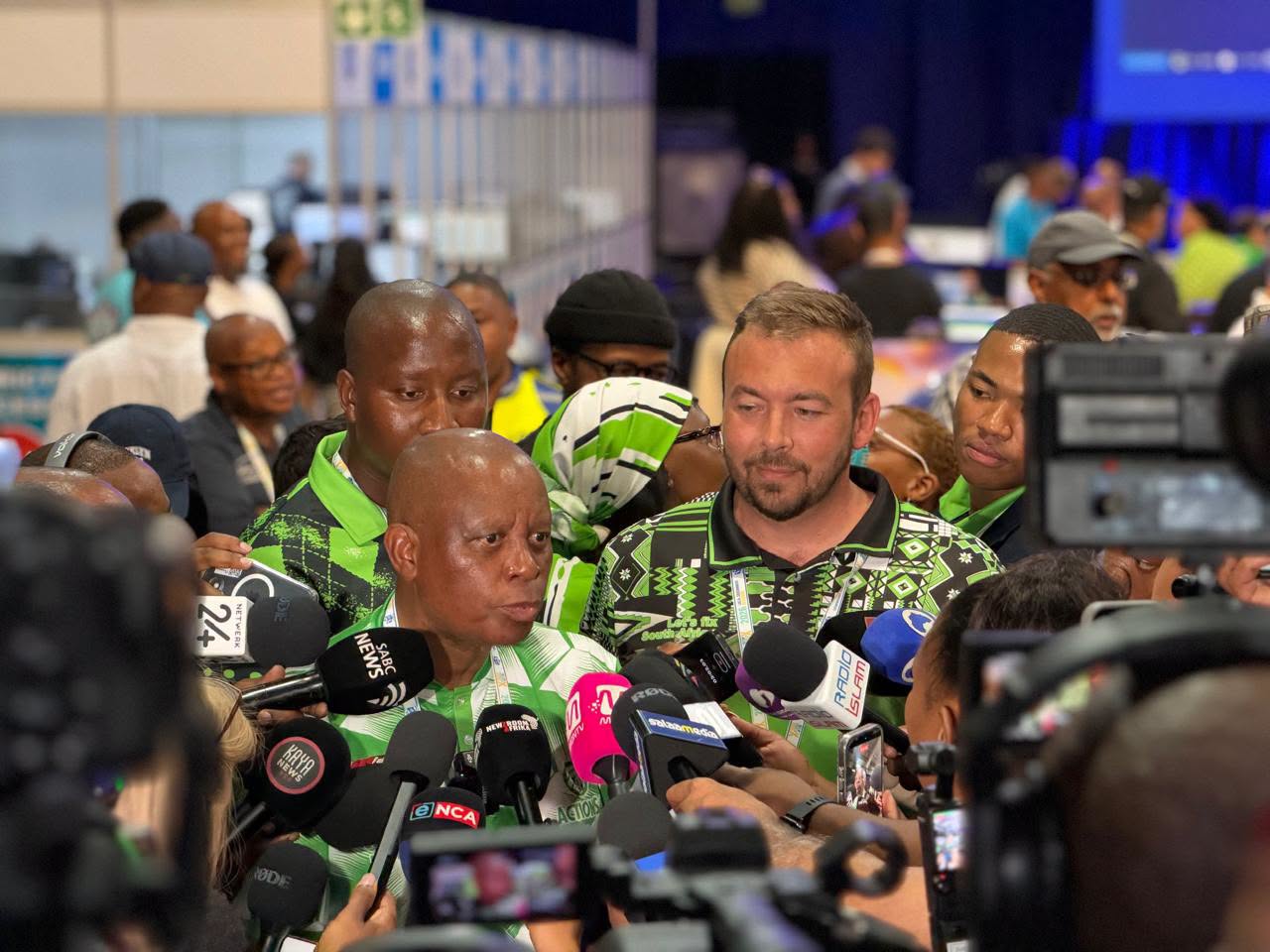
Political coalitions are increasingly being shaped by parties’ efforts to isolate common political rivals rather than shared values or ideological beliefs, according to political analyst Levy Ndou.
Ndou’s comments come as political parties face mounting pressure to finalise power-sharing agreements this week in hung councils following the 2026 Local Government Elections, where no single party secured an outright majority in several municipalities.
In Gauteng, the ANC and ActionSA appear to be edging closer to a coalition agreement covering Johannesburg, Ekurhuleni and Tshwane, reportedly on condition that the parties align on key service delivery issues.
The proposed arrangement would see ActionSA taking up the mayoral positions in Johannesburg and Tshwane, while the ANC retains control of Ekurhuleni.
However, Ndou believes the latest coalition negotiations reflect a recurring pattern in South African politics, where parties unite not necessarily because of shared principles, but because they have identified a common political opponent.
He said the political dynamics mirror those seen after the 2016 and 2021 Local Government Elections, when several parties joined forces against the ANC. This time, he argues, the Democratic Alliance appears to be facing a similar situation.
“That’s why you hear parties and party leaders saying they might work with others or they might collaborate, but they are not prepared to work with the Democratic Alliance. It has nothing to do with values. It has nothing to do with ideologies. It’s about parties having found a common competitor and grouping themselves against that competitor,” Ndou said.
His analysis suggests that political alliances are often driven by shifting political interests and the desire to limit a rival’s influence, raising questions about how sustainable such arrangements will be once parties are required to govern together.