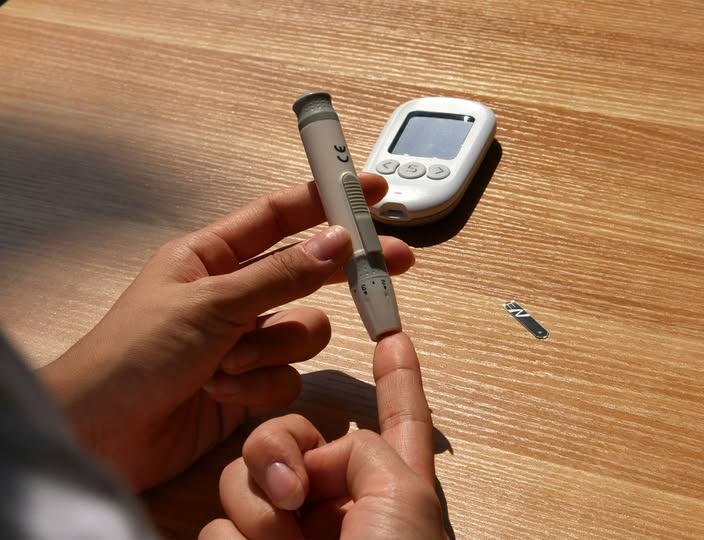
Early detection and diagnosis of diabetes, coupled with effective management, can help people living with the condition lead long and productive lives. However, poorly controlled diabetes can lead to serious complications that significantly increase the cost of treatment.
Speaking to Radio 786, National Department of Health Chief Director for Non-Communicable Diseases, Caroline Mongale, highlighted the financial burden diabetes places on both the public healthcare system and families.
Her comments come as November marks Diabetes Awareness Month.
According to a study presented at the 2025 Diabetes Summit, the estimated direct medical cost of diagnosed type 2 diabetes in the public sector amounted to R2.7 billion in 2018. When undiagnosed cases were included in the modelling, the figure increased to an estimated R22.8 billion.
Mongale says the cost of treating diabetes at primary healthcare level is significantly lower than managing complications such as kidney failure, strokes and amputations, which often require specialised and long-term care.
These complications can result in patients requiring dialysis, hospitalisation, surgery and rehabilitation. Families are also affected by indirect costs, including lost income when patients are no longer able to work.
Mongale says the department is prioritising prevention, early diagnosis and appropriate treatment to reduce the burden of complications.
“That is why, as a department, we are investing in prevention. An early diagnosis is more critical. Once a person is diagnosed, appropriate treatment is important and regular follow-up must happen. So we need to prevent avoidable complications rather than concentrate on resources for treating them afterwards,” she said.
The Department of Health continues to encourage people to prioritise regular health screenings, early diagnosis and proper management of diabetes to prevent complications and improve long-term health outcomes.