The Madlanga Commission of Inquiry heard explosive testimony on Monday alleging that senior police officials may have used law enforcement resources to benefit tobacco company Carnilinx and businessman Mohamed “Mo” Sayed, while enforcement action was directed at rival manufacturers in the highly competitive cigarette industry.
The allegations emerged as commission evidence leaders continued unpacking the relationship between Sayed, suspended Crime Intelligence deputy head Major-General Feroz Khan and other senior police officials, painting a picture of what the commission is investigating as a network of influence that may have extended into procurement, policing and criminal investigations.
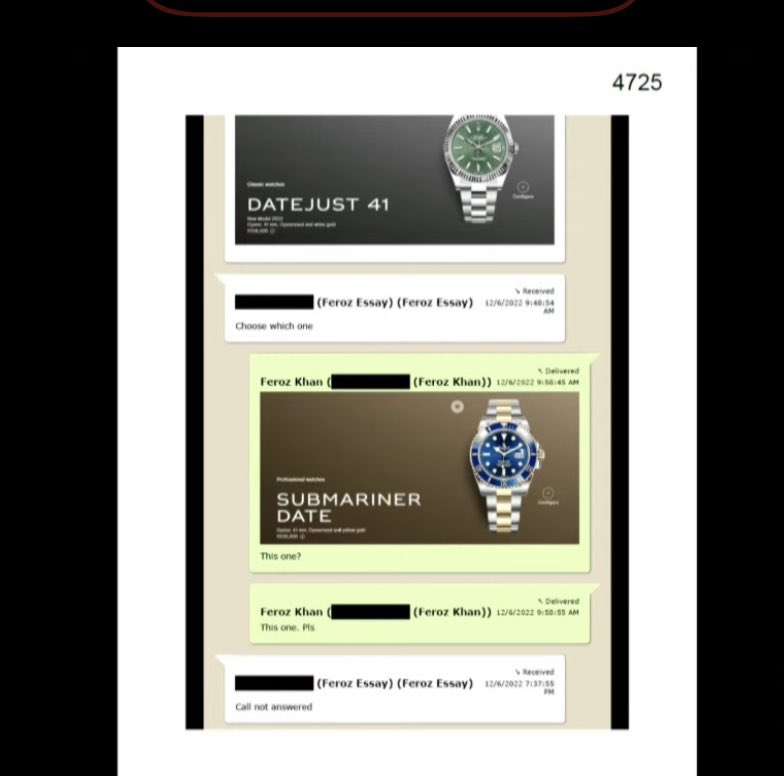
Leading evidence before the commission, Advocate Adila Hassim presented documents, WhatsApp communications and affidavits which she argued demonstrate the extent of the relationship between Sayed and Khan. The commission heard allegations that Khan repeatedly intervened on matters affecting Sayed and Carnilinx, raising questions about whether state resources were improperly deployed to advance private commercial interests.
A significant focus of Monday’s hearing was the treatment of Carnilinx’s competitors.
The commission heard evidence suggesting that several rival tobacco manufacturers became the subject of police raids, investigations and enforcement operations, while allegations of wrongdoing involving Carnilinx received comparatively little attention. Evidence leaders suggested the pattern raises questions about whether law enforcement action was selectively applied to benefit one company over its competitors.
Justice Madlanga and the commission repeatedly emphasised that these allegations remain under investigation and that affected parties will have an opportunity to respond.
The inquiry also revisited evidence concerning Carnilinx’s origins through an affidavit by company co-founder Adriano Mazzotti.
The affidavit, previously submitted to the South African Revenue Service (SARS), contains admissions relating to historical tax and customs irregularities, including the manufacture of cigarettes outside official records, the export of tobacco products without proper declarations and the handling of undeclared cash proceeds. The commission heard that the affidavit formed part of efforts to regularise the company’s tax affairs.
Evidence leaders argued that the document provides important context to the commission’s investigation into alleged relationships between tobacco industry figures and senior members of law enforcement.
Carnilinx has, however, rejected suggestions that the affidavit proves ongoing criminal conduct. The company maintains that it is a lawful business operating under the necessary regulatory approvals and that the affidavit relates to historical issues which have since been addressed.
The commission also heard evidence relating to alleged gratification received by suspended Crime Intelligence deputy head Major-General Feroz Khan. Testimony revealed that Khan allegedly accepted a number of expensive gifts from businessman Mohamed “Mo” Sayed, including luxury wristwatches, raising questions about whether the benefits were linked to the close relationship between the two men.
The inquiry further heard evidence concerning Khan’s personal wealth, with testimony indicating that he had acquired approximately 30 motor vehicles within the space of a year.
Evidence leaders argued that the pattern of asset accumulation and the receipt of high-value gifts warranted closer scrutiny as the commission investigates whether senior law enforcement officials received improper benefits in exchange for advancing private commercial interests.
The allegations remain before the commission and have not been tested in court.
Monday’s proceedings formed part of the commission’s broader inquiry into allegations that organised crime infiltrated South Africa’s law enforcement agencies and influenced policing priorities, procurement decisions and criminal investigations through relationships with senior officials.
Meanwhile, one of the commission’s most anticipated witnesses, alleged underworld figure Vusimuzi “Cat” Matlala, will not appear before the inquiry as expected.
Commission spokesperson Jeremy Michaels confirmed that although Matlala had been subpoenaed to testify, his appearance has been postponed. No reasons were provided in open session, and no new date has yet been announced.
Matlala, who is currently in custody after pleading guilty to fraud, corruption and money laundering charges linked to the controversial SAPS Medicare24 tender, is expected to become one of the commission’s key witnesses because of his alleged connections to senior police officials, politicians and businesspeople.
His testimony is widely expected to shed further light on allegations of corruption and organised crime within the criminal justice system once a new date is set.
The commission is expected to continue hearing evidence this week as it probes allegations that elements within the police, intelligence services and other state institutions were manipulated to advance the interests of politically connected individuals and organised criminal networks.
The commission is an investigative inquiry and has not made findings against any of the individuals or entities named. Those implicated have the opportunity to respond to the evidence presented.