
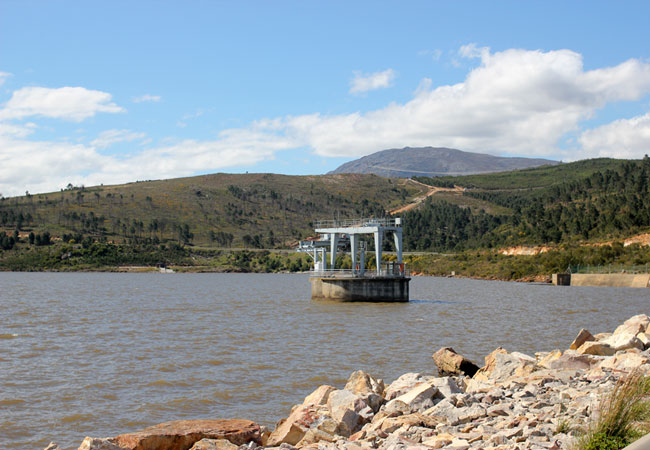
As the city edges closer to its winter rainfall season, the latest dam level readings offer a mixed but telling snapshot of Cape Town’s water outlook: there is some stability, even slight improvement in places, but the system remains far from comfortable.
Cape Town’s major supply dams are currently sitting at around the mid-40% mark, a noticeable drop compared to the same time last year, when levels were significantly higher following stronger early-season rains. This year’s slower start to the rainfall season has left the system under pressure, with storage still well below the psychological 50% threshold that typically signals greater security.
At the heart of the system, Theewaterskloof Dam, the province’s largest and most critical reservoir remains a key barometer. Its levels are modest and reflective of the broader trend: not critically low, but not reassuring either. Other dams in the network, including Voëlvlei and Berg River, are performing slightly better, helping to stabilise the overall picture, while smaller dams such as Steenbras Lower continue to lag behind.
What stands out is not just the numbers, but the pattern. Unlike previous years where early winter storms quickly boosted storage, this season has begun more gradually. The incremental gains seen in recent weeks suggest that rainfall has started to make an impact, but not at the scale needed yet to decisively shift the trajectory.
Water experts often emphasise that dam levels at this time of year are less about where they stand now, and more about what lies ahead. The Western Cape relies heavily on sustained winter rainfall to replenish its supply system. A few strong cold fronts can rapidly change the outlook, but the absence of consistent rain can just as quickly deepen concern.
For residents, the message remains familiar but important: water conservation is still essential. Even outside of formal restrictions, everyday usage habits play a significant role in protecting the system, particularly during these transitional weeks before peak rainfall sets in.
The spectre of “Day Zero” may feel distant compared to the crisis years of the past, but officials continue to treat the situation with caution. Cape Town’s water resilience has improved through diversification efforts and better management, yet its reliance on rainfall has not fundamentally changed.
As winter approaches in earnest, all eyes will be on the skies and on whether the coming weeks will bring the sustained rainfall needed to lift dam levels into a more secure zone. Until then, the city finds itself in a familiar position: hopeful, but watchful.
Some rain is projected for the first work-week of May and with the recent 2% climb in dam levels, the City of Cape Town’s Zaahid Badroodien told Radio 786 that discussions continue within the local administration on whether to invoke a series of restrictions to try and manage available supply.