Tensions between the United States and Iran continue to intensify, even as Washington appears to be begging for negotiations and looking for an off-ramp. According to recent statements, the US has been the primary party seeking diplomatic engagement, despite the ongoing hostilities in the region.
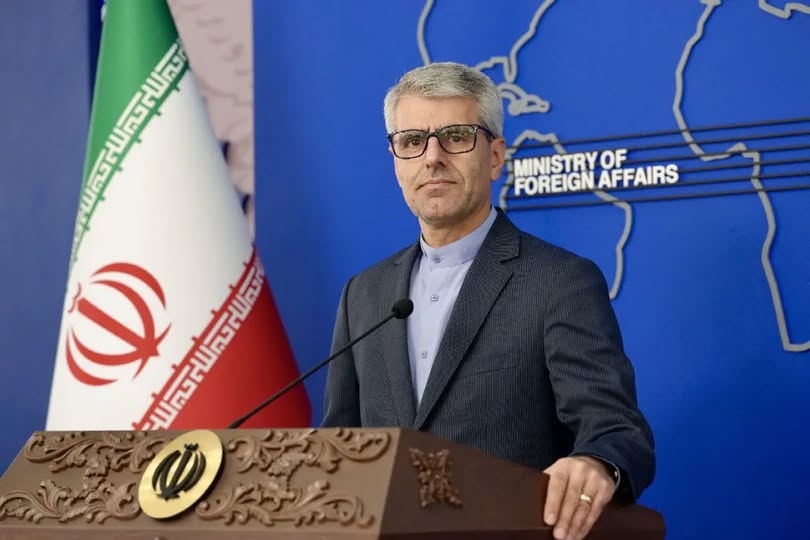
Iranian Foreign Ministry spokesperson Esmail Baghaei confirmed that Tehran has not engaged in any direct negotiations with the US over the past 31 days. Instead, he revealed that Iran received messages through intermediaries – including Pakistan – containing proposals from Washington aimed at restarting talks.
Baghaei emphasized that Iran’s stance remains firm. In light of what Tehran describes as continued aggression and violations involving the US and Israel, Iran is prioritizing its defensive posture. “They are harnessing all their efforts and capabilities to defend Iran,” he said, underscoring the country’s unwillingness to enter negotiations under current conditions.
While Washington has publicly framed its outreach as a step toward de-escalation, reports suggest a more complex strategy may be unfolding. US officials have maintained that diplomatic channels remain open and that negotiations are necessary to prevent further conflict.
However, emerging reports indicate that the US is considering a stronger military occupation in the region. Notably, there have been claims about potential plans involving American troops occupying Kharg Island – a critical hub for Iran’s oil exports. Though yet to be realised, such developments would mark a significant escalation and could further complicate any diplomatic efforts.
Amid rising tensions, the international community has increasingly called for restraint. China has been among the most vocal, urging all parties to bring an end to the conflict and return to dialogue. Chinese officials have emphasized the risks of prolonged instability, particularly for global energy markets and regional security.
These calls reflect a broader concern that continued confrontation could spiral into a wider conflict, with far-reaching consequences beyond the immediate region.