Muslims across the globe are in the final stages of preparation for Ramadan, a sacred month characterised by fasting, increased prayer, and acts of charity.
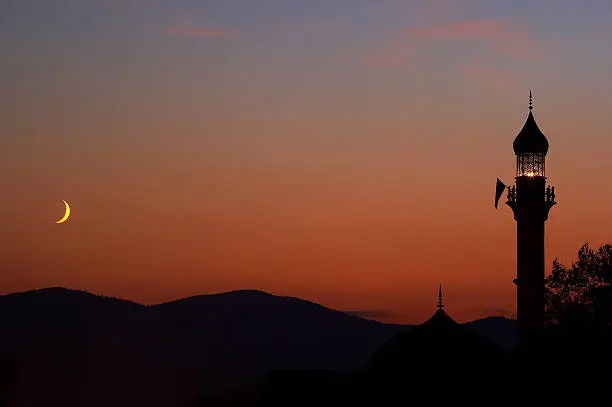
The holy month is determined by the sighting of the new crescent moon (hilal). This year, Ramadan is expected to begin on or around 18–19 February 2026, depending on local moon-sighting announcements. In South Africa, the majority of Muslims will likely begin fasting on Thursday, 19 February.
In many communities, preparations involve spiritual readiness as much as practical planning. People clean their homes, plan communal iftar meals, and organise charity initiatives. Fasting is intended not only as physical discipline but also as an opportunity for reflection, spiritual growth, increased prayer and recitation of the Quran, and generosity towards others, particularly the less fortunate.
Fasting Periods in Various Countries
Because Ramadan follows the lunar calendar and daylight hours vary according to latitude and time of year, the length of the daily fast differs around the world. Here is how fasting periods compare in several Muslim-majority countries:
In countries closer to the equator, such as Saudi Arabia, fasting periods typically range from about 12 to 14 hours per day.
In South Asian nations such as Pakistan, fasting hours tend to be slightly longer due to their distance from the equator, averaging roughly 12.5 to 14 hours.
Indonesia, the world’s most populous Muslim-majority country, also experiences daily fasts of around 12 to 13 hours because of its equatorial location. Preparations there often include organising iftar meals in neighbourhoods (kampungs), and many mosques offer free food to those who are fasting.
Like Pakistan and neighbouring India, Muslims in Bangladesh experience approximately 13 to 14 hours of fasting, depending on their exact location and the time of year. The month is marked by charity drives and special Ramadan bazaars.
In Turkey, where much of the population lives farther north, fasting hours can stretch towards the upper end of the global range, averaging about 14 to 16 hours.
Northern Greenland and northern Norway often experience some of the longest fasting hours in the world when Ramadan falls close to summer. In these regions, Muslims can fast for up to 18 hours. However, the Muslim population there is relatively small, with fewer than two thousand recorded Muslims in some of these far-northern areas.
Back home in South Africa, on the first day of fasting, Muslims will fast for approximately 14 hours and 14 minutes. Towards the end of Ramadan, the fast shortens slightly to about 13 hours and 26 minutes.
Interestingly, Ramadan in South Africa this year falls at the tail end of summer. As a result, proper hydration and a balanced diet will be especially important to help individuals manage the warmer days while fasting.