
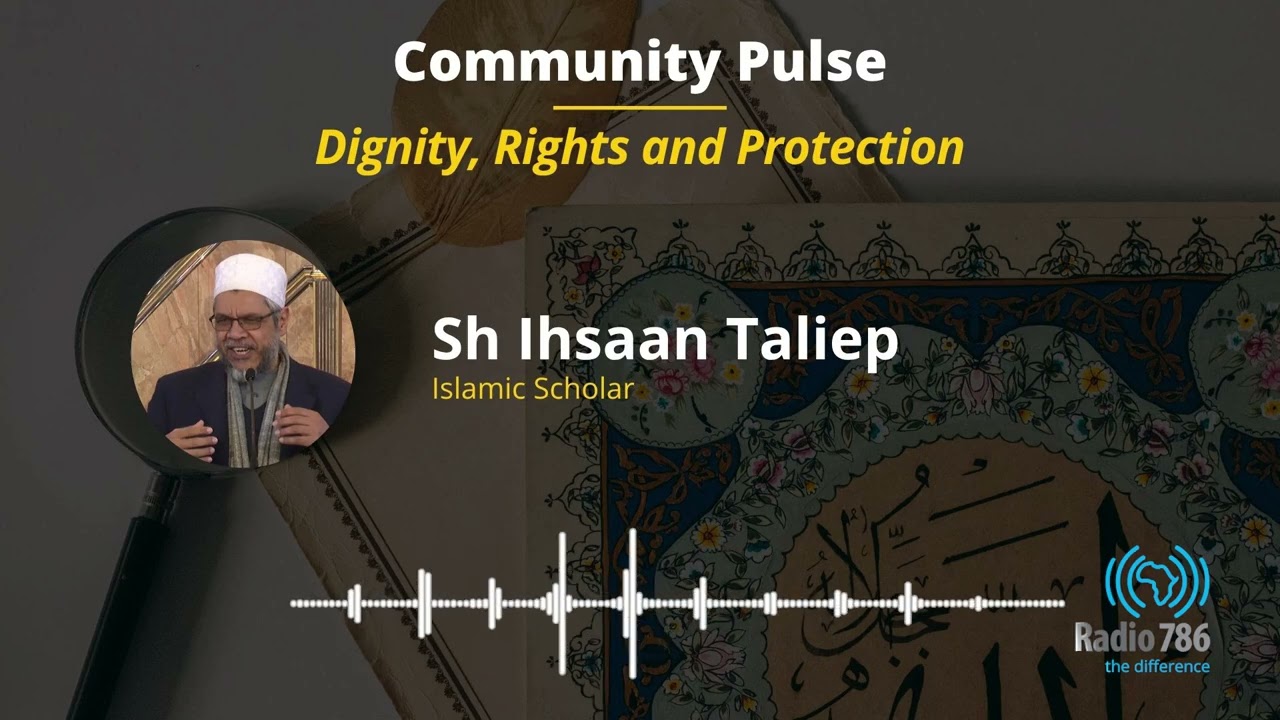
What does Islam actually teach about the dignity, rights, treatment and protection of women?
Welcome to Episode One of our three-part series, “Protecting Dignity, Upholding Justice: Islam, Women and Our Social Responsibility.”
As communities continue to confront the devastating realities of femicide, gender-based violence and violence against women, this series begins with a more fundamental question: What principles does Islam provide for understanding the dignity and protection of women?
In this opening episode, we return to the Qur’an and the example of Prophet Muhammad ﷺ to explore Islamic principles of dignity, justice, compassion, accountability and the prohibition of harm.
We also examine an important distinction between Islamic teachings and cultural practices that may sometimes be presented or understood as religious. If justice and human dignity are fundamental Islamic principles, how should these principles influence the way women are treated within our families, communities and wider society?
This conversation provides the foundation for the rest of the series as we consider the responsibilities of individuals, families and communities in upholding dignity and preventing harm.
In This Episode
What does the Qur’an teach about the dignity of women?
Understanding women’s rights and protection in Islam
The example of Prophet Muhammad ﷺ in the treatment of women
Islamic principles of justice, compassion and accountability
The prohibition of harm and abuse
The distinction between Islamic teachings and cultural practices
How religious teachings can be misunderstood or misrepresented
The relationship between dignity and social responsibility
How Islamic principles should shape family and community relationships
What does protecting women mean within an Islamic framework?
Connecting faith, justice and human dignity
🎙️ Guest:
Sh Igsaan Taliep
Senior Lecturer & Religious Scholar