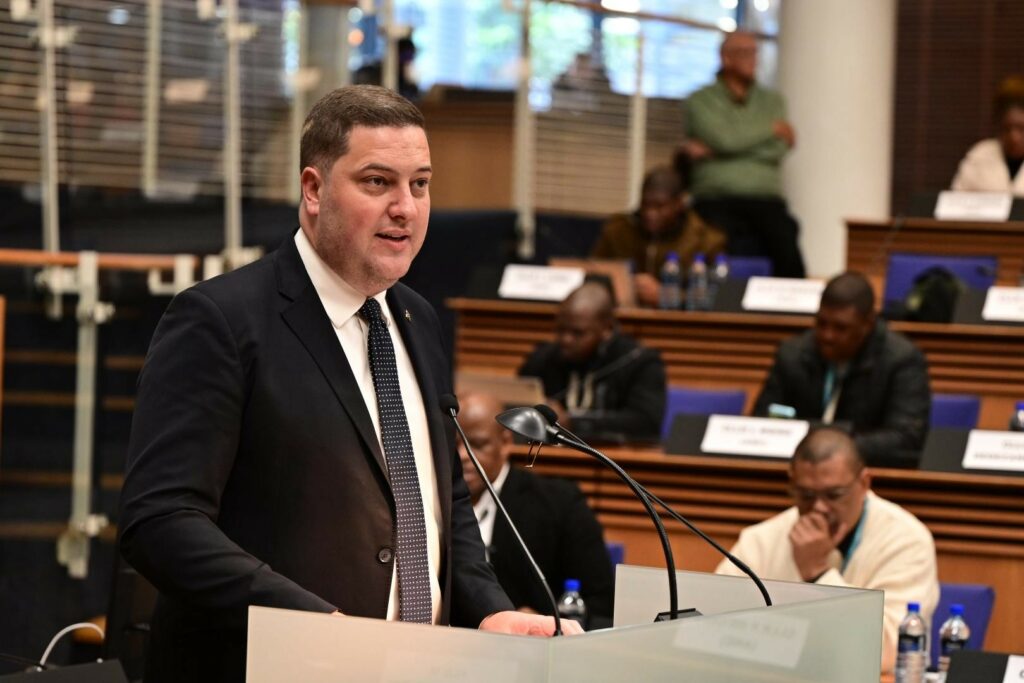
The City of Cape Town has officially adopted its revised budget for the 2026/27 financial year, following weeks of public consultation and amendments prompted by widespread concerns over the affordability of municipal tariffs and service charges.
The revised budget was approved after the City adjusted elements of its original proposal, particularly those relating to the fixed pricing structure for essential services such as a City-wide cleaning tariff. The changes followed criticism from residents, civil society organisations, political parties and business groups, who argued that the initial tariff model would place an additional financial burden on households already grappling with the rising cost of living.
Despite the revisions, the GOOD Party maintains that the budget does not adequately address the affordability crisis facing many Capetonians.
The party argues that the cost of living in the city continues to outpace increases in wages, pensions, social grants and the income earned by many small businesses. According to GOOD, residents are increasingly finding it difficult to absorb higher municipal charges alongside escalating food, transport and housing costs.
A key point of contention remains the City’s claims regarding infrastructure spending.
The City says that 75% of its R7.12 billion infrastructure budget will directly benefit lower-income communities through investments in water, sanitation, electricity, roads, housing and other essential public infrastructure.
However, the GOOD Party disputes that figure, arguing that much of the expenditure is funded through conditional grants allocated by national and provincial government rather than from the City’s own revenue.
The party says that when grant funding is excluded, the City’s direct contribution to infrastructure projects benefiting poorer communities falls to approximately 37%, a figure it believes presents a more accurate reflection of municipal spending priorities.
GOOD has also renewed its opposition to the City-Wide Cleaning Levy, describing it as an unnecessary financial burden on residents. The levy, introduced as part of broader waste management reforms, has attracted criticism from residents and opposition parties who argue it amounts to another charge on households already under financial pressure.
The City has defended both the revised budget and the cleaning levy, saying the municipality must ensure that essential public services remain financially sustainable while continuing to invest in infrastructure that supports long-term economic growth.
City officials say the budget strikes a balance between maintaining critical infrastructure, expanding service delivery and protecting vulnerable households through an extensive package of rates relief and social assistance.
The municipality has also pointed to its expanded indigent support programmes, free basic services and rates rebates for qualifying pensioners and lower-income residents as evidence that the budget seeks to cushion the impact of tariff increases on those most in need.
The adoption of the revised budget concludes a contentious budget process that saw significant public participation and several amendments to the City’s original proposals. However, debate over municipal affordability is expected to continue, with opposition parties warning that many households remain under increasing financial strain despite the changes.
The revised budget will now guide the City’s spending and service delivery priorities for the new financial year, with infrastructure investment, public safety, electricity resilience and basic service delivery remaining among its key focus areas.