Hundreds of Zimbabwean and Malawian nationals are facing an uncertain future as they prepare to leave South Africa ahead of planned nationwide anti-illegal immigration protests scheduled for June 30.
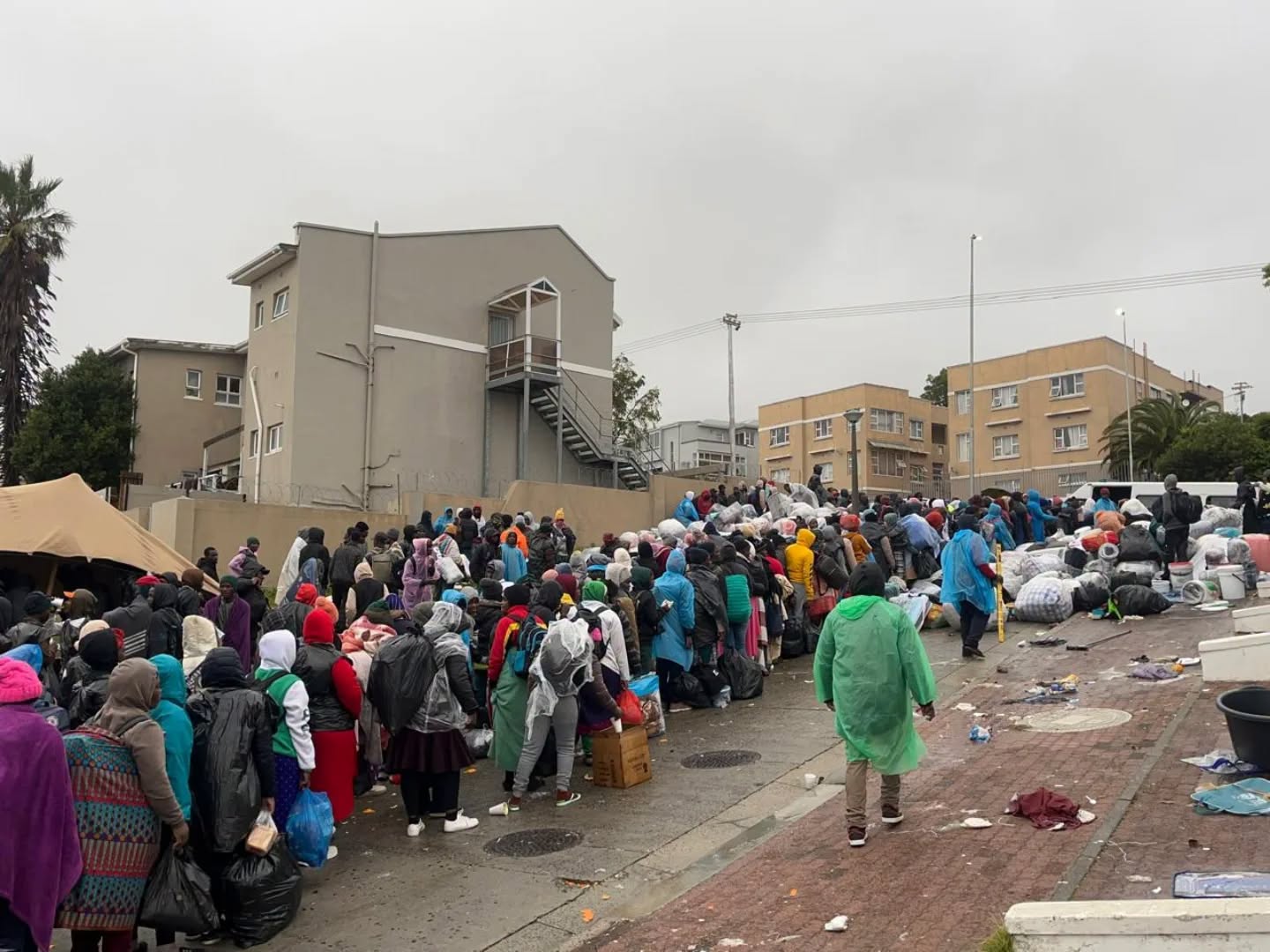
At the Department of Home Affairs Repatriation Centre in Epping, Cape Town, large numbers of Zimbabwean nationals have been waiting to be processed before boarding buses bound for the Beitbridge border post. Many are coming to terms with the reality of returning home and rebuilding their lives after years spent in South Africa.
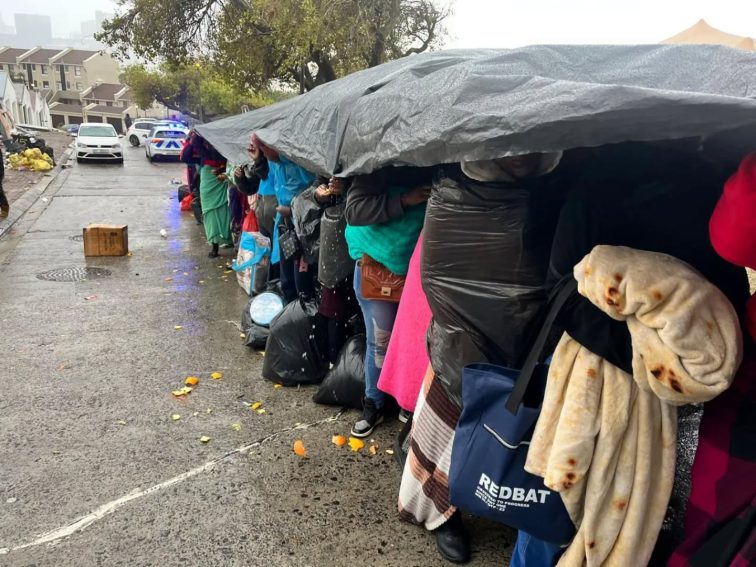
Speaking to Radio 786, several Zimbabwean nationals expressed gratitude to humanitarian organisations and community groups that have provided blankets, food and other essential items while they waited in Cape Town’s cold winter conditions.
However, alongside the appreciation is deep uncertainty. Some families, including mothers with young children, told Radio 786 they have been sleeping outside the repatriation centre since Thursday while awaiting processing. Many described feelings of fear and anxiety about what lies ahead once they return to Zimbabwe.
The movement of foreign nationals comes as thousands seek to leave South Africa before June 30, a date designated by the anti-illegal immigration group March and March for coordinated protests across the country. The organisation has called for demonstrations demanding stricter immigration enforcement and the removal of undocumented migrants, with the main protest expected to take place in KwaZulu-Natal.
Meanwhile, the situation remains equally challenging for Malawian nationals.
Nearly 400 Malawians spent the weekend camped outside their country’s Consulate General in Sandton, Gauteng, hoping for assistance to return home. Those gathered say they have received little to no communication from consular officials regarding transport arrangements or when they can expect help.
Thousands of Malawians have already left South Africa in recent weeks, but many remain stranded as they wait for official assistance to facilitate their return.
The South African government has repeatedly sought to reassure both citizens and foreign nationals ahead of the planned protests. Authorities have stressed that while peaceful protest is protected under the Constitution, acts of intimidation, violence, vigilantism or the unlawful targeting of migrants will not be tolerated.
The Department of Home Affairs has also urged undocumented foreign nationals to make use of existing legal processes where applicable and has cautioned against panic driven by misinformation circulating on social media. Law enforcement agencies, including the South African Police Service, have indicated they will maintain a visible presence in areas where demonstrations are expected to ensure public order and protect all communities.
Human rights organisations have, however, voiced concern over the humanitarian impact of the protests and the growing number of vulnerable families seeking repatriation. Aid groups have appealed for continued support, noting that many of those returning home are doing so with few possessions and uncertain prospects.
As South Africa approaches the June 30 deadline, thousands of foreign nationals remain in transit, with many hoping to reach their home countries safely while others continue to wait for assistance from their respective governments.