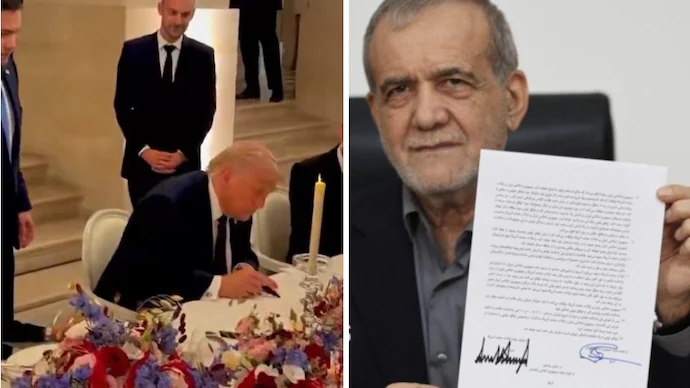
US President Donald Trump and his Iranian counterpart, Masoud Pezeshkian, have signed a memorandum of understanding (MoU) aimed at bringing an end to the conflict between Washington and Tehran.
The agreement was signed electronically by both leaders in both English and Persian, marking a formal and significant step towards halting hostilities and establishing a framework for de-escalation. Officials from both sides have confirmed that the memorandum is now active and will serve as the basis for implementing measures designed to end the war and pave the way for future diplomatic engagement.
The conflict, described by Iranian officials as an unprovoked US-Israeli war of aggression, has persisted for more than four months and has had far-reaching consequences for the region and the global economy. The prolonged hostilities disrupted international trade routes, contributed to instability in energy markets, and intensified economic uncertainty across several sectors worldwide.
The war also carried a significant financial cost for all parties involved. Analysts estimate that the United States and its allies incurred substantial military and economic expenses as the conflict dragged on, while Iran suffered extensive damage to infrastructure, industrial facilities, and civilian areas as a result of sustained illegal attacks.
Despite the intensity of the military campaign, Tehran maintains that the United States and Israel failed to achieve their strategic objectives. Iran remained steadfast in defending its sovereignty, territorial integrity, and national interests throughout the aggression. They contend that Iran’s resistance and military resilience ultimately forced the Trump administration to abandon efforts to secure its goals through military means and return to the negotiating table.
The signing of the MoU is being viewed as a potentially pivotal moment in efforts to restore stability to the region. While many details of the agreement have yet to be made public, both sides have indicated that the memorandum includes mechanisms aimed at reducing tensions, preventing further military escalation, and creating conditions for broader diplomatic discussions.
International observers have welcomed the development, expressing hope that the agreement will lead to a durable ceasefire and help avert further economic and humanitarian consequences arising from the conflict. However, analysts caution that the success of the memorandum will ultimately depend on the willingness of all parties to honour their commitments and engage constructively in the implementation process.