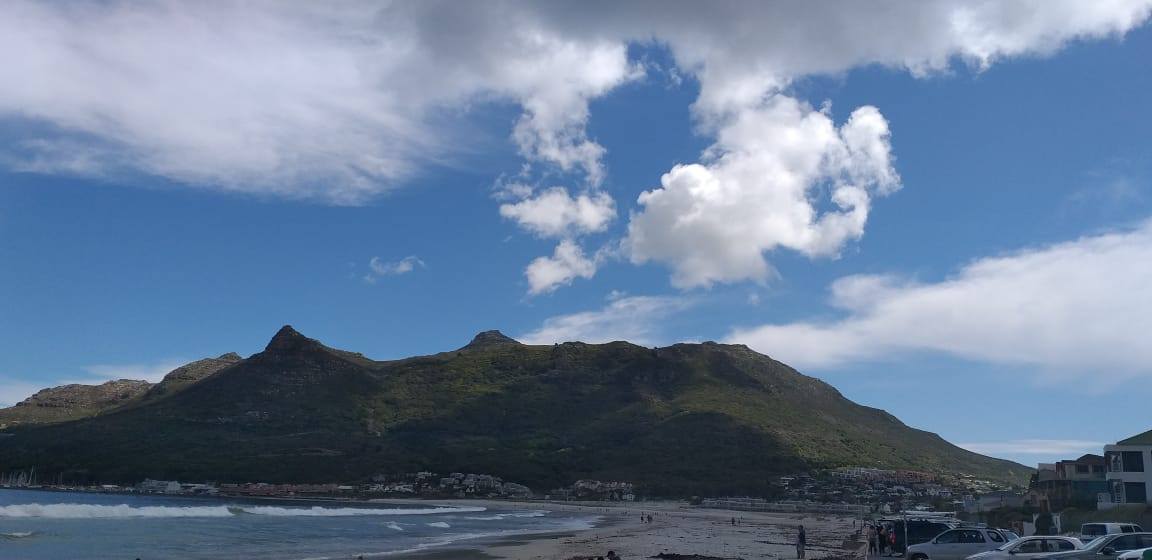
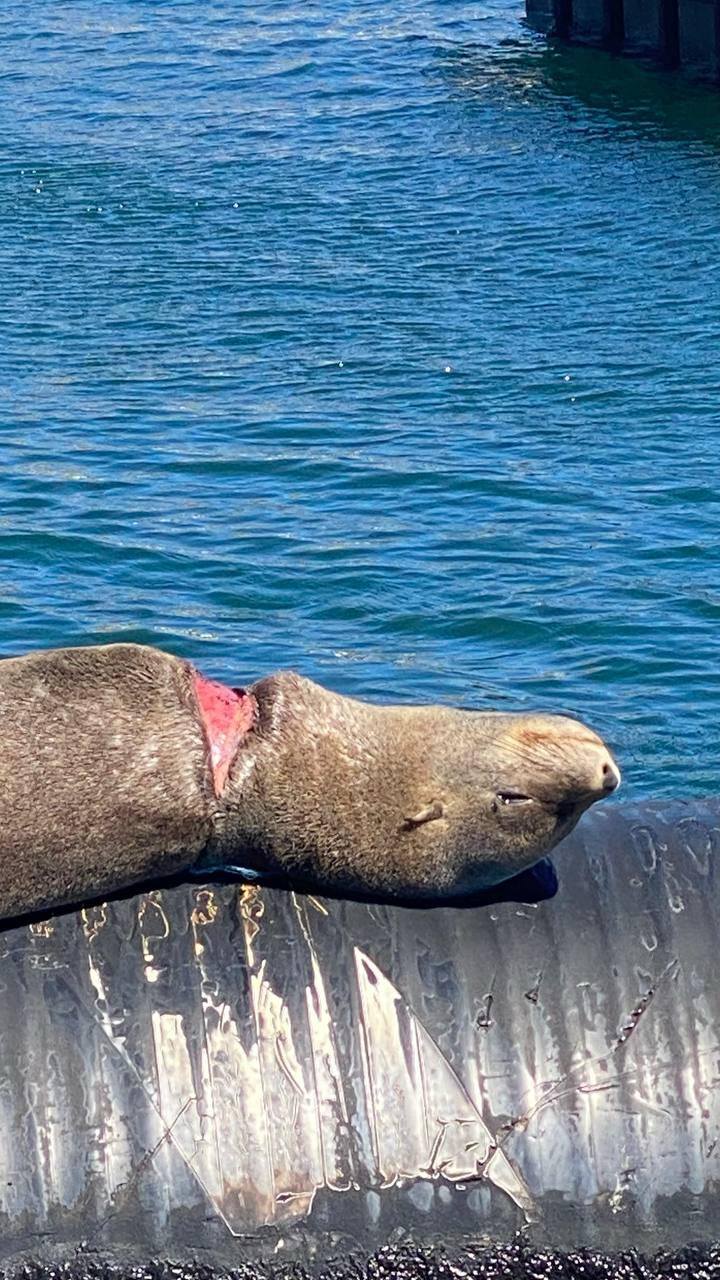
Residents and animal welfare responders in Hout Bay Harbour have expressed deep concern after a Cape fur seal was found severely entangled over the weekend.
The distressing situation unfolded on Saturday afternoon, when members of the public discovered the seal with a wound to his neck. Plans were put in place for a joint operation on Sunday, 22nd March, to safely remove the entanglement and release the animal. 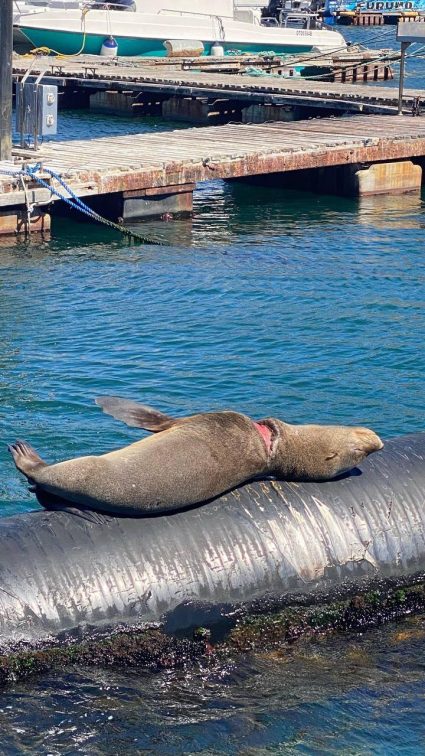
However, by Sunday morning, the seal had disappeared, leaving rescuers and residents concerned.
Marine experts warn that such incidents are becoming increasingly common, particularly in busy coastal zones like Hout Bay, where wildlife and human activity intersect. Entanglement in plastic waste – ranging from fishing lines and packaging straps to discarded nets – poses a severe risk to marine animals.
For Cape fur seals, entanglement can be especially devastating. As the animal grows, the material cuts deeper into its skin, leading to severe wounds, infections, restricted movement, and often a slow, painful death. In many cases, seals are unable to hunt or swim effectively, ultimately resulting in starvation or drowning.
The issue extends far beyond seals. Other marine species, including turtles, dolphins, seabirds, and whales, are also vulnerable to entanglement. Conservationists note that these incidents are part of a broader global crisis linked to plastic pollution in the oceans.
According to environmental groups, millions of tons of plastic waste enter the world’s oceans each year. Items like packing straps and fishing debris are particularly hazardous because they remain intact for long periods and can easily ensnare animals.
Authorities and conservation organisations are urging the public to act responsibly by disposing of waste correctly, cutting plastic loops before discarding them, and reporting any sightings of entangled animals immediately.
Members of the public who spot the injured seal – or any marine animal in distress – are encouraged to contact local rescue organisations without delay. Quick reporting can often mean the difference between life and death.
The incident serves as a sobering reminder of the direct impact human activity has on marine ecosystems, and the urgent need for collective action to protect South Africa’s rich ocean life.