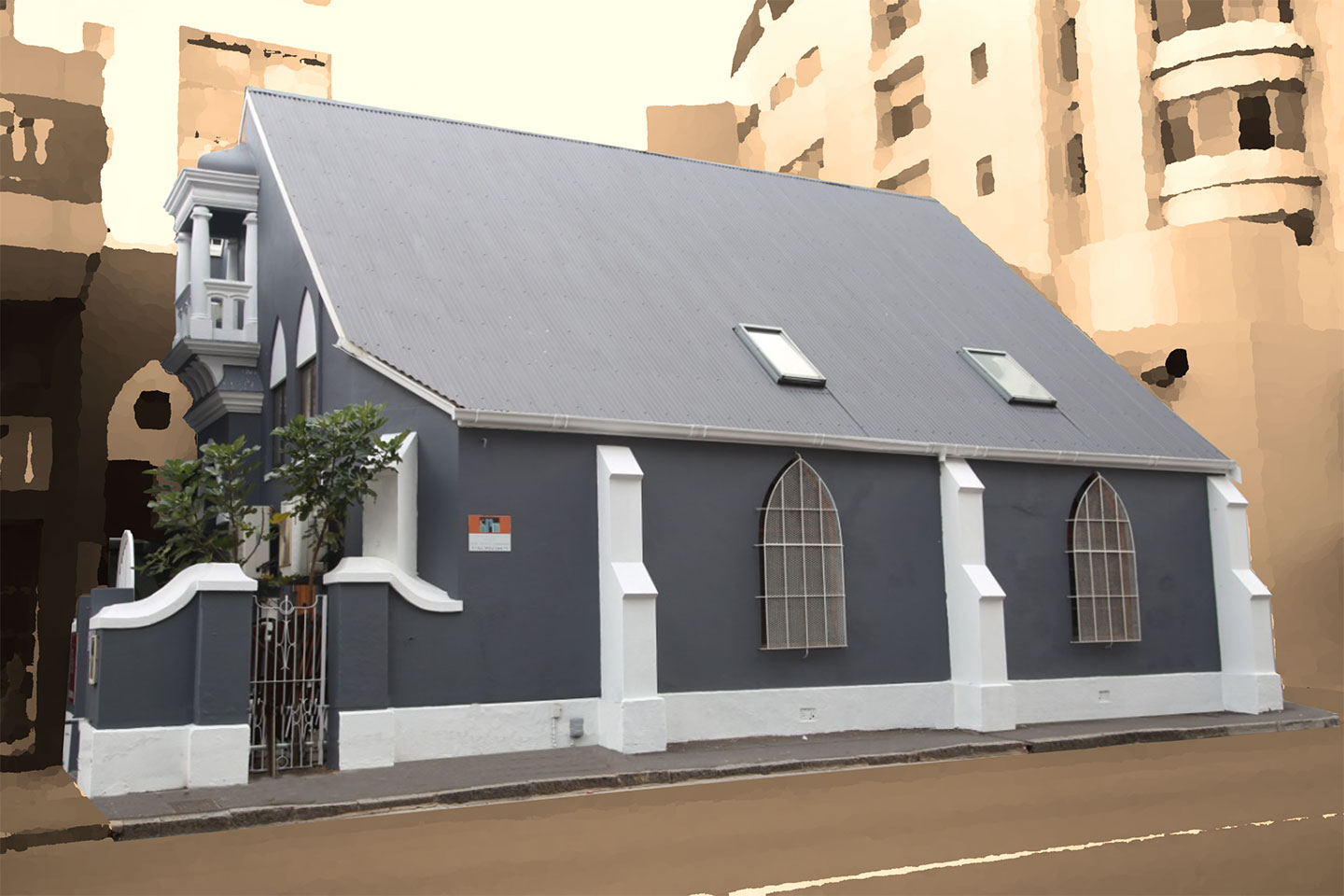
Cape Town’s historic city centre quietly holds chapters of Islamic heritage that extend beyond the well-known Bo-Kaap into areas like Bree Street. Recent community activities, including the revival of a *mass boeka* (breaking of fast) along Bree Street, have brought renewed interest in this legacy, connecting the present to an early Muslim presence in the heart of the city.
While Bo-Kaap remains the most recognised centre of Muslim culture in Cape Town – complete with mosques, cultural streetscapes, and longstanding social traditions – Bree Street also played a role in the fabric of early Muslim life in the city.
Islamic scholarship and community life once extended into the city centre. Notably, Sayed Abu Bakr Effendi, an influential 19th-century Islamic scholar sent to Cape Town from the Ottoman Empire, lived and taught in areas bordering Bree and Wale streets, fostering Islamic learning and community identities that would span generations.
These early Muslim families had homes, prayer rooms, and schools within the city centre, a reminder that the Cape Muslim community was not confined to one neighbourhood but spread across the urban core before apartheid-era displacement reshaped demographics
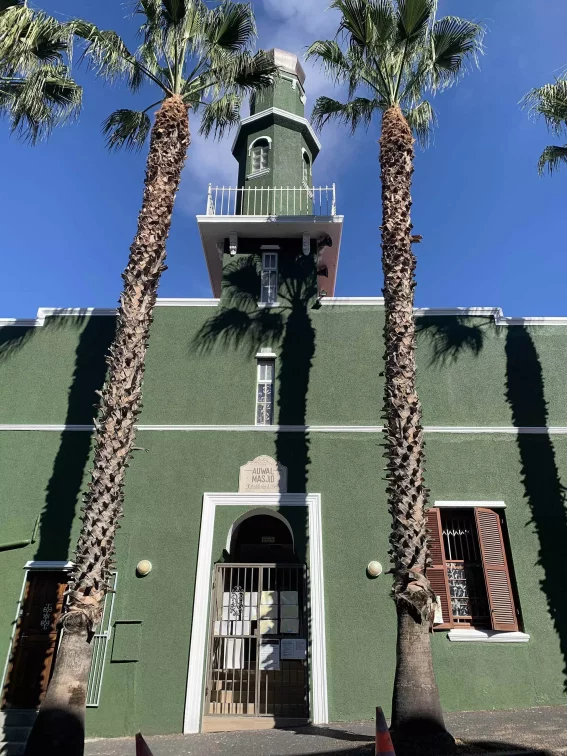
Nearby, in the Bo-Kaap neighbourhood, landmarks such as the Auwal Mosque completed in 1794 stand as testaments to the deep roots of Islam in the region. The Iziko Bo-Kaap Museum preserves everyday Muslim heritage, displaying historical homes, artifacts, and stories that reflect life in the 19th and early 20th centuries.
The Tana Baru Muslim Cemetery, historic kramats, and several mosques throughout Bo-Kaap further speak to centuries-old traditions of Islamic faith, community organisation, and resistance to exclusion.
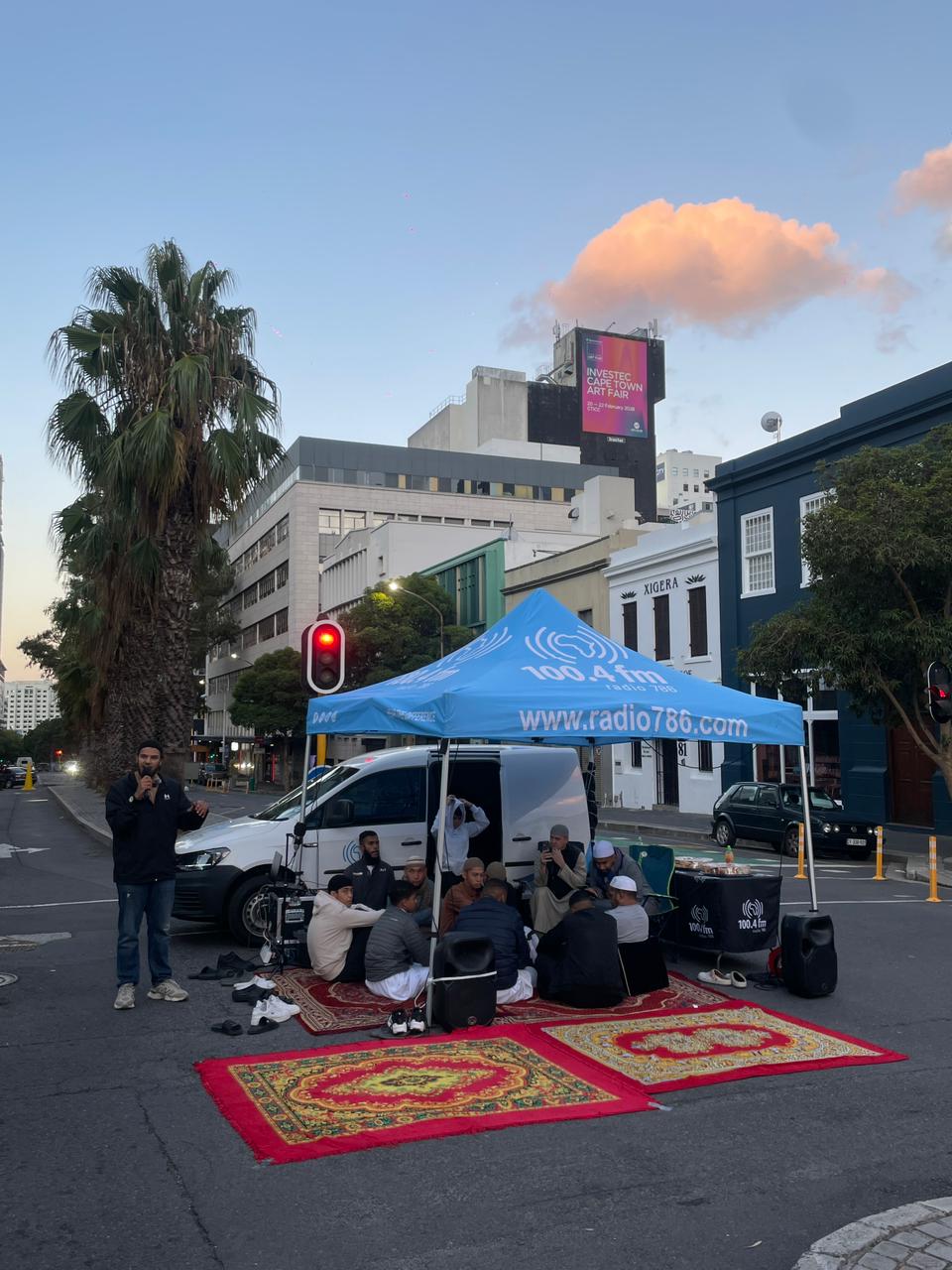
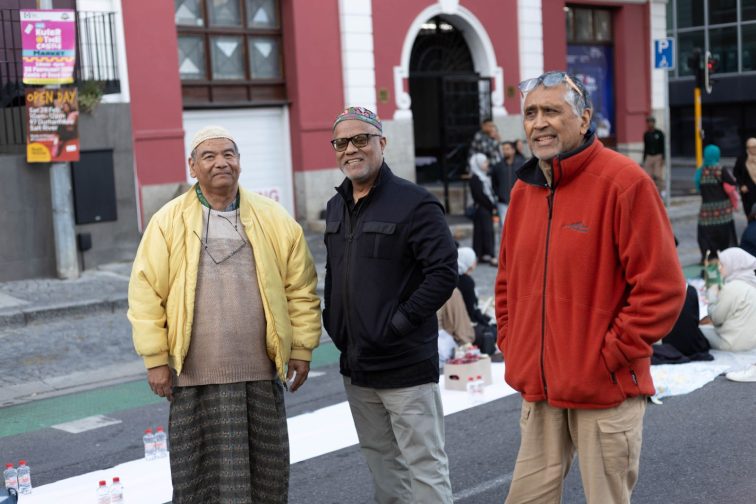
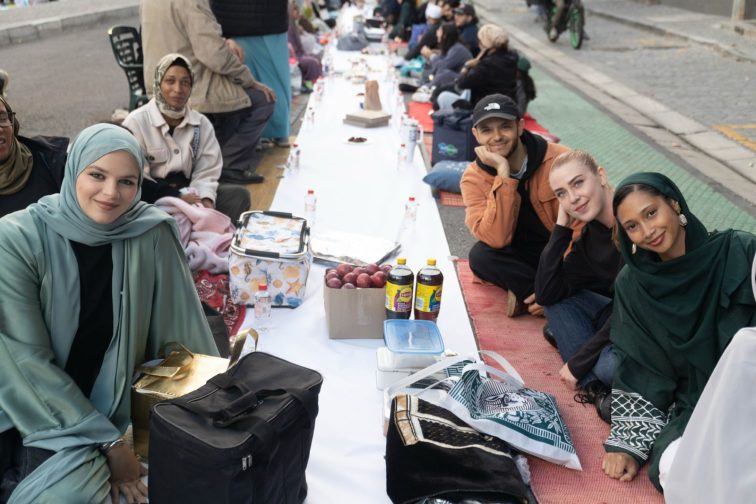
On 1 March 2026, the second annual Boeka on Bree took place on Bree Street between Shortmarket and Castle streets. This event brought together Capetonians of different backgrounds to break their fast together, share food, and participate in prayer and a historical talk.
Originally organised as a way to reclaim space where Muslim families once lived and practised their faith regularly, the gathering attracted people keen to connect with Cape Town’s shared heritage. The event included:
* Serving soup, dates and water at sunset.
* A historical talk about the once-vibrant Muslim presence in the city centre.
* A short communal prayer in keeping with Ramadaan tradition.
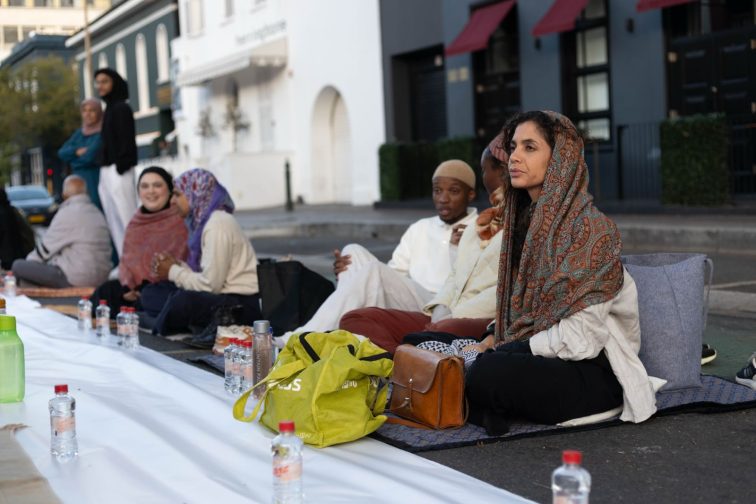
Organisers – including the MSA Union, Cape Family Research Forum, AwqafSA,Salt River Heritage Society, and Young Urbanists emphasised thatBoeka on Bree aims to honour the history of the community that lived there before forced removals under apartheid.
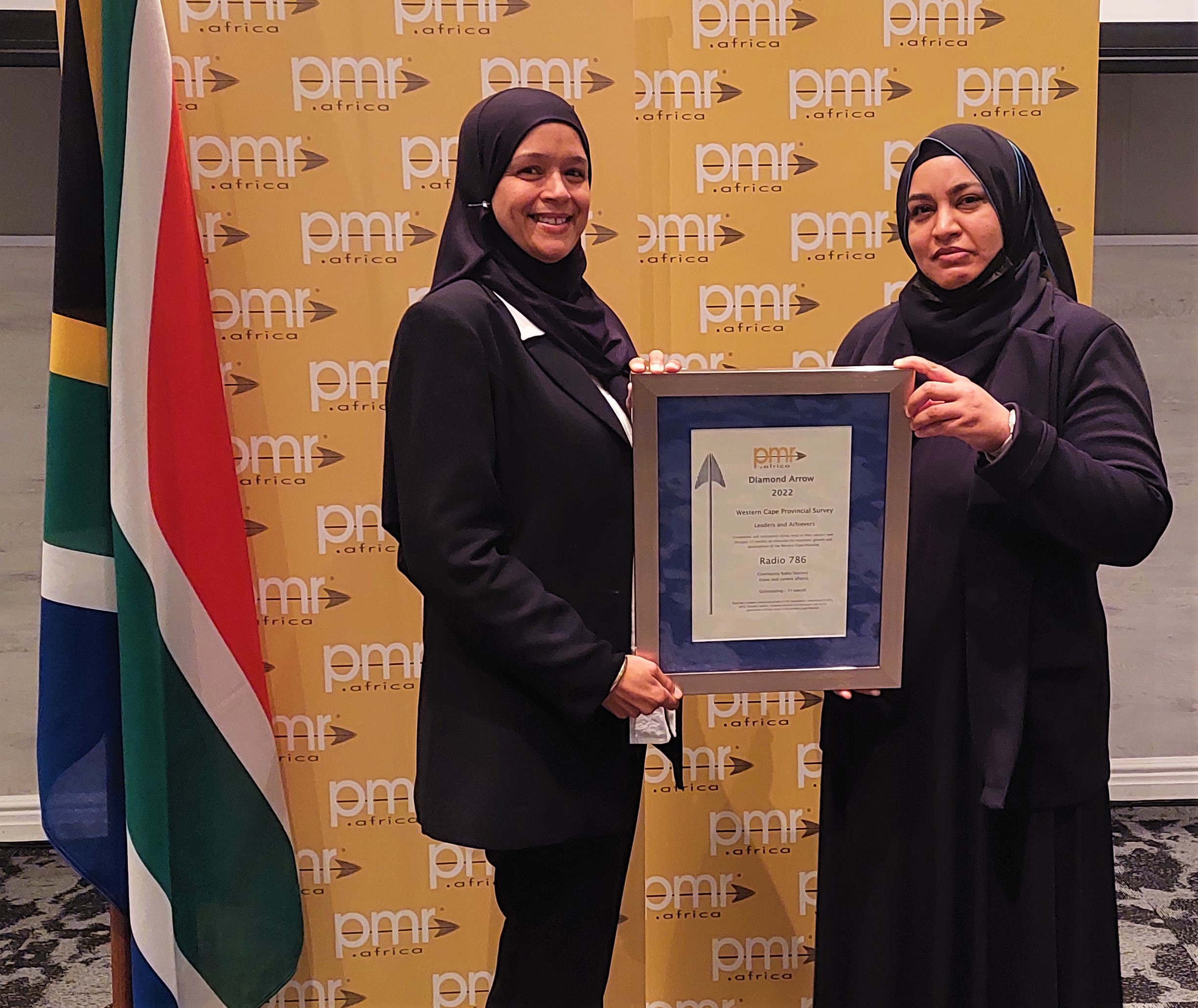
Radio 786 broadcasted the Boeka on Bree Live.
The revival of this tradition helps broaden public understanding of how worship, culture and family life were once woven into Cape Town’s central streets, not just in Bo-Kaap but also in areas like Bree Street.